
Structural Drying & Dehumidification · Garden Grove

Structural Drying and Dehumidification in Garden Grove

Standing water is only half the job. We pull the hidden moisture out of your framing, drywall, and slab so mold and warping never get a foothold.

Free Quote

Free Structural Drying & Dehumidification quote.

We reply within 1 business hour. No spam, ever.

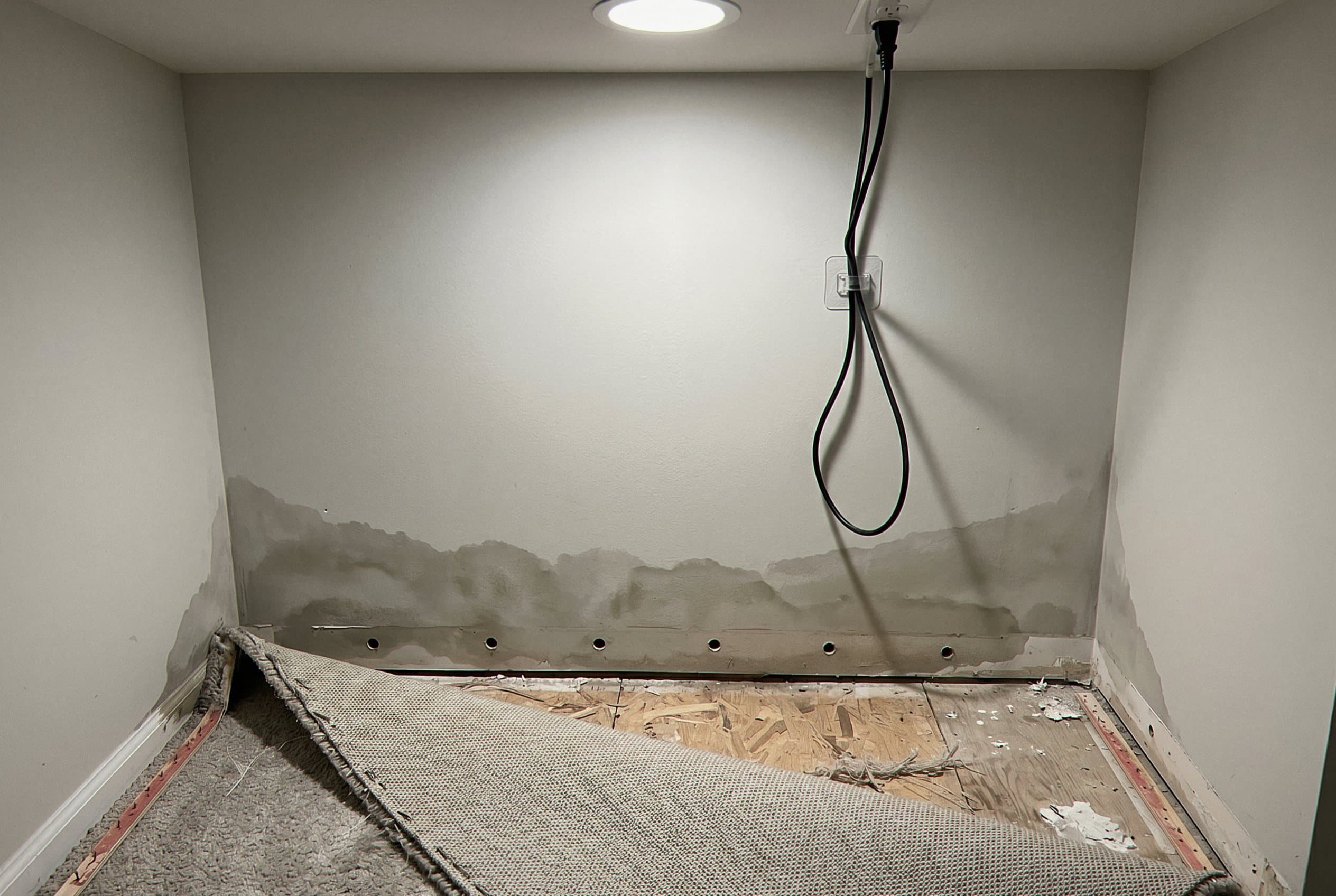
Water-damaged wall studs and framing exposed
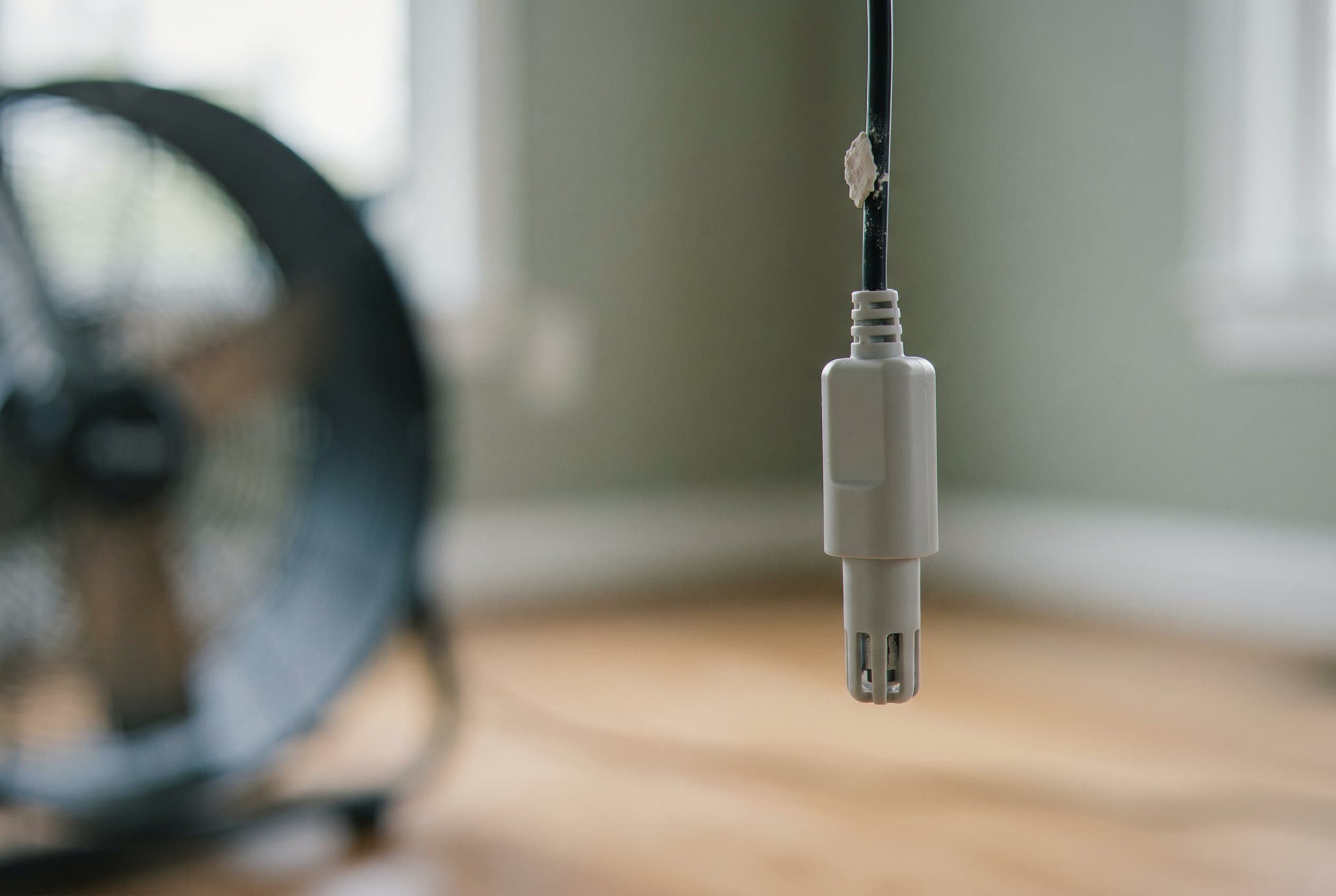
Technician probing interior wall cavity moisture
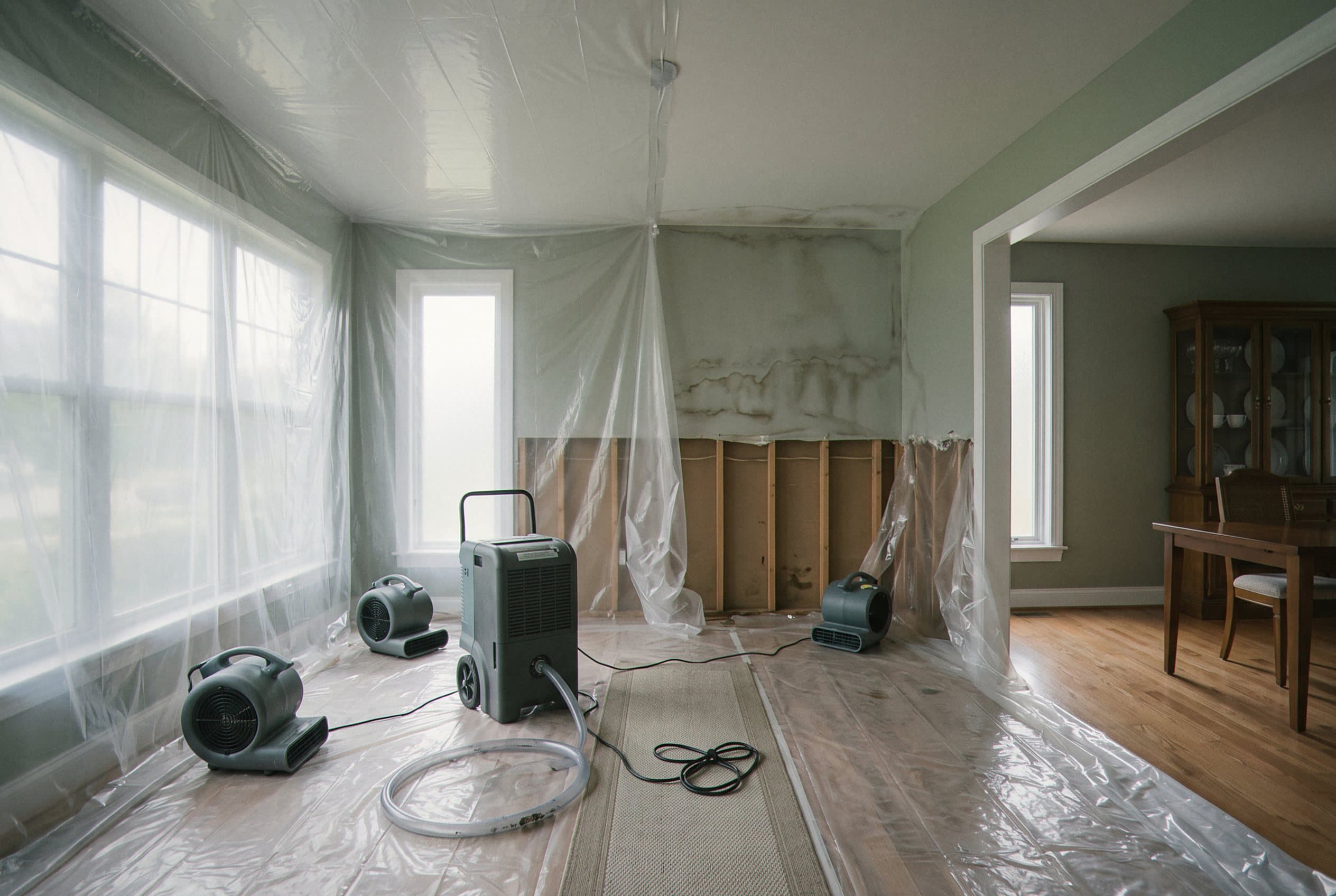
Multiple dehumidifiers air movers operating
What we install

Why drying the structure matters after the water is gone

Once the visible water is gone, your home looks dry. It is not. Moisture soaks into drywall, baseboards, framing, and the concrete slab under your floors, and it sits there long after the puddles are mopped up. In a Garden Grove home that moisture has nowhere fast to go, because our mild coastal air in Orange County already carries plenty of humidity of its own. Left alone, that trapped water feeds mold, swells wood, and lifts flooring weeks after the leak. We dry the structure itself, not just the surface.

Our crew treats drying as a measured process, not a guess. We map where the water traveled with moisture meters and thermal cameras, set a target for how dry the materials need to be, then place air movers and dehumidifiers to hit it. We follow the IICRC S500 standard, the same playbook restoration pros across the country work from. Every day we come back, read the numbers, and adjust the equipment until your home reaches a stable dry standard.

  • We find hidden moisture in walls, cabinets, and slab before it turns into mold.
  • Calibrated air movers and dehumidifiers pull water out of materials, not just off the surface.
  • Daily meter readings track real progress, so drying ends when the structure is truly dry.
  • Fast, controlled drying saves flooring, drywall, and framing you would otherwise tear out.
  • We document every reading, which gives you a clear record for your insurance claim.
Surface dry and structurally dry are two different things. We do not stop until the meter says the wall, the subfloor, and the slab are all the way dry.

Speed is the part people underestimate. The longer water stays in your walls and slab, the more it spreads and the more it costs to fix. We aim to have drying equipment running within hours of your call, because every hour we save is square footage you get to keep. Our gear runs quietly day and night while you stay in the home, and we size it to the space so it dries fast without driving your power bill through the roof. When the readings confirm the structure is dry, we pull the equipment and walk you through what we found.

If your Garden Grove home or business took on water, do not wait for it to dry on its own. It will not, and the damage only grows underneath. Call us and we will get drying equipment in place fast, monitor it daily, and prove the structure is dry before we leave.

Materials

The drying equipment we use and why

Good drying comes down to moving the right amount of air and pulling the right amount of water out of it, in the right spots. We bring commercial air movers that push air across wet surfaces so moisture lifts into the room, then run dehumidifiers that capture that moisture and drain it away. We do not throw a box fan at the problem and hope. The number and placement of units is set by the size of the space, the materials that got wet, and the daily readings, and we change the setup as the rooms dry.

We also reach for tools that show what the eye cannot. Moisture meters read the actual water content inside drywall and wood. Thermal cameras reveal cool, damp patches behind walls and under floors where water hides. On a Garden Grove slab, we watch the concrete closely, since slab moisture can wick up into baseboards and subfloor for days. Every tool serves one goal, which is proof that your home is dry, not just a feeling that it might be.

  • Air movers that lift moisture off wet surfaces fast
  • Dehumidifiers that pull water out of the air and drain it
  • Moisture meters that read water inside walls and framing
  • Thermal cameras that find damp spots hidden behind finishes
What about the alternatives?

Your options for drying out a water damaged structure

There are a few ways people try to dry a home after water damage. Here is an honest look at what works, what helps a little, and what wastes time you do not have.

Professional structural drying

Calibrated equipment, daily meter readings, and the IICRC standard dry the structure fully and fast.

Recommended

Rented dehumidifier

A single rental unit helps a small damp room, but it cannot reach water inside walls or under a slab.

Acceptable

Box fans and open windows

Some airflow helps at the surface, yet on humid Orange County days open windows can pull in more moisture than they remove.

Acceptable

Household fan plus space heater

Adds warmth and a little air movement, but it dries unevenly and never confirms what is happening inside the materials.

Acceptable

Waiting for it to air dry

Trapped water in framing and slab does not leave on its own, and mold can start growing within a day or two.

Skip

Ignoring it because the surface looks dry

The most expensive choice, since hidden moisture quietly rots wood and feeds mold until the repair bill is far larger.

Skip
How it goes

From quote to walk-on, fast.

01

Your inquiry

Call or send the short form with what is going on at your place. A sentence or two is plenty for the first step.

02

We talk it through

We go over the situation on the phone, ask the questions that matter, and tell you what we would do next.

03

A clear plan

You get a plain-language rundown of the work, the order it happens in, and what to expect on the day.

04

The work gets done

Our crew shows up when we said, does the job, and walks you through the result before leaving.

Before you book

What Garden Grove homeowners ask us before drying

Drying is the step people know the least about, so here are the questions we hear most often, answered straight.

How long does structural drying take?
Most homes dry in three to five days, though it depends on how much water came in, what got wet, and how saturated the framing and slab are. We read the moisture daily and tell you exactly where things stand, so you are never guessing about the timeline.
Can I stay in my home while it dries?
In most cases yes. The equipment runs quietly and safely, and we place it to keep walkways clear. If a room is heavily affected we will point that out and help you plan around it, but you rarely need to leave the house.
Will the equipment run up my power bill a lot?
Air movers and dehumidifiers do draw power, yet running them for a few days costs far less than replacing flooring, drywall, and framing that rot when drying is skipped. We size the gear to the space so it works efficiently.
How fast can drying start in Garden Grove?
We aim to have equipment in place within hours of your call. The sooner we start, the less the water spreads, so a fast start directly protects more of your home.
How do you know when my home is actually dry?
We do not rely on how things look or feel. We take meter readings every day and compare them to a dry standard for your materials. When the numbers hold steady at that target, the structure is dry and we pull the gear.
Do you help with the insurance paperwork?
Yes. We log moisture readings, photos, and equipment notes throughout the job, and we hand you a clear record you can pass straight to your adjuster to support your claim.
Aftercare

How to protect your home after it is dry

Once the structure is dry, a few simple habits keep moisture from coming back and help you catch the next problem early. None of these cost much, and most take only a few minutes. The goal is to stay ahead of water, since in this climate slow leaks and damp air do the quiet damage over time.

  • Check under sinks, behind the washer, and around the water heater for slow leaks every month.
  • Run bathroom and kitchen exhaust fans to vent the humid air our coastal weather brings.
  • Keep gutters and yard drainage clear so rain flows away from your slab and walls.
  • Watch for musty smells or warm spots on floors, both early signs of trapped moisture.
  • Service your water heater and supply lines before they fail and flood a room.
  • Save our number, so if water shows up again you can get drying started fast.
Water-damaged wall studs and framing exposed
FAQ

Common questions about structural drying in Garden Grove

Ready when you are

Let's make your next steps easier

Tell us what is going on at your Garden Grove home and we will walk you through the options. One call or one short form is all it takes.

Call (714) 462-8575Make your inquiry
CallContact us