
Sewage Cleanup · Garden Grove

Sewage Cleanup in Garden Grove, CA

Raw sewage in your home is a biohazard. We contain it, pump it out, sanitize the space, and dry your property back to safe. Call any hour.

Free Quote

Free Sewage Cleanup quote.

We reply within 1 business hour. No spam, ever.

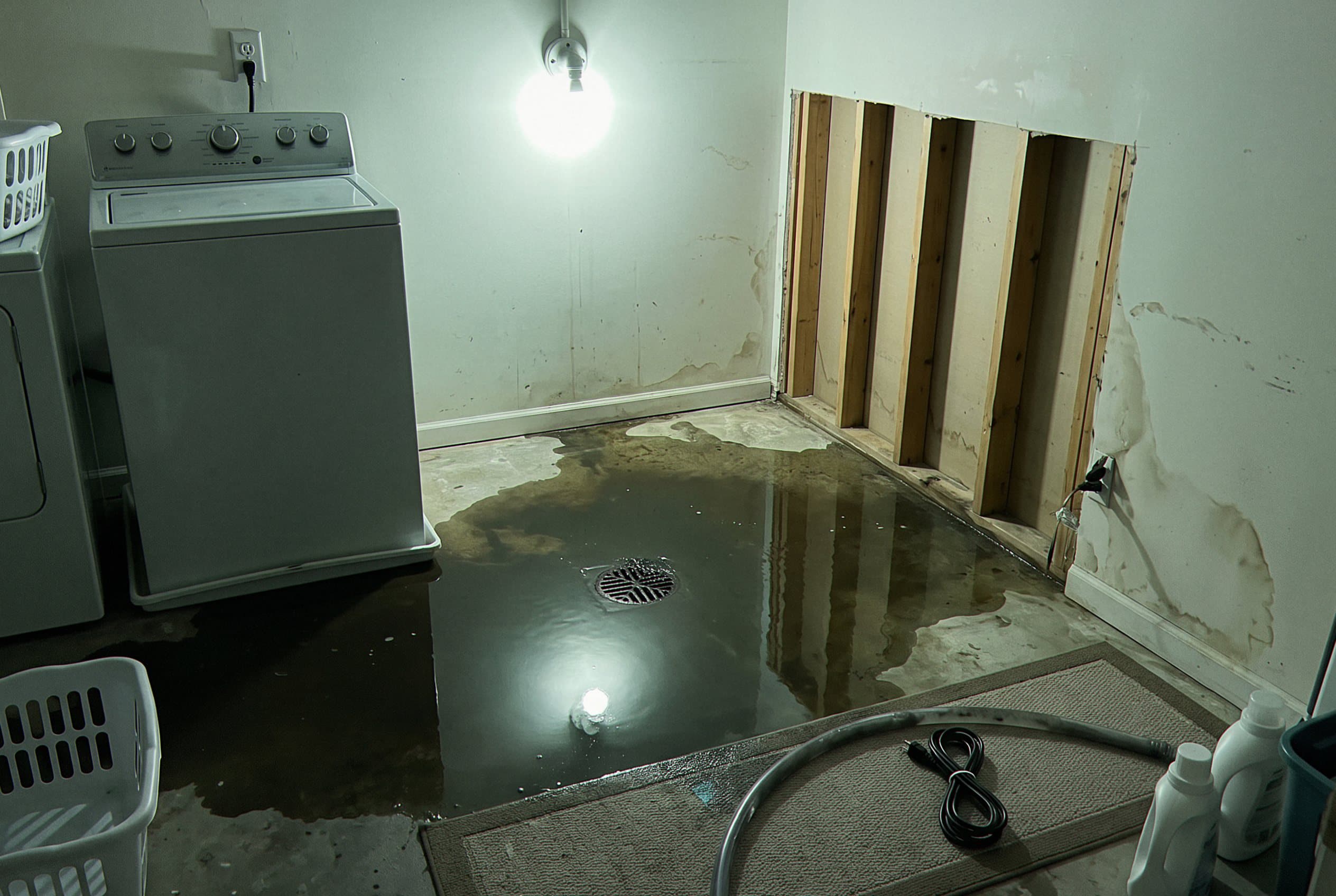
Contaminated water covering residential floor
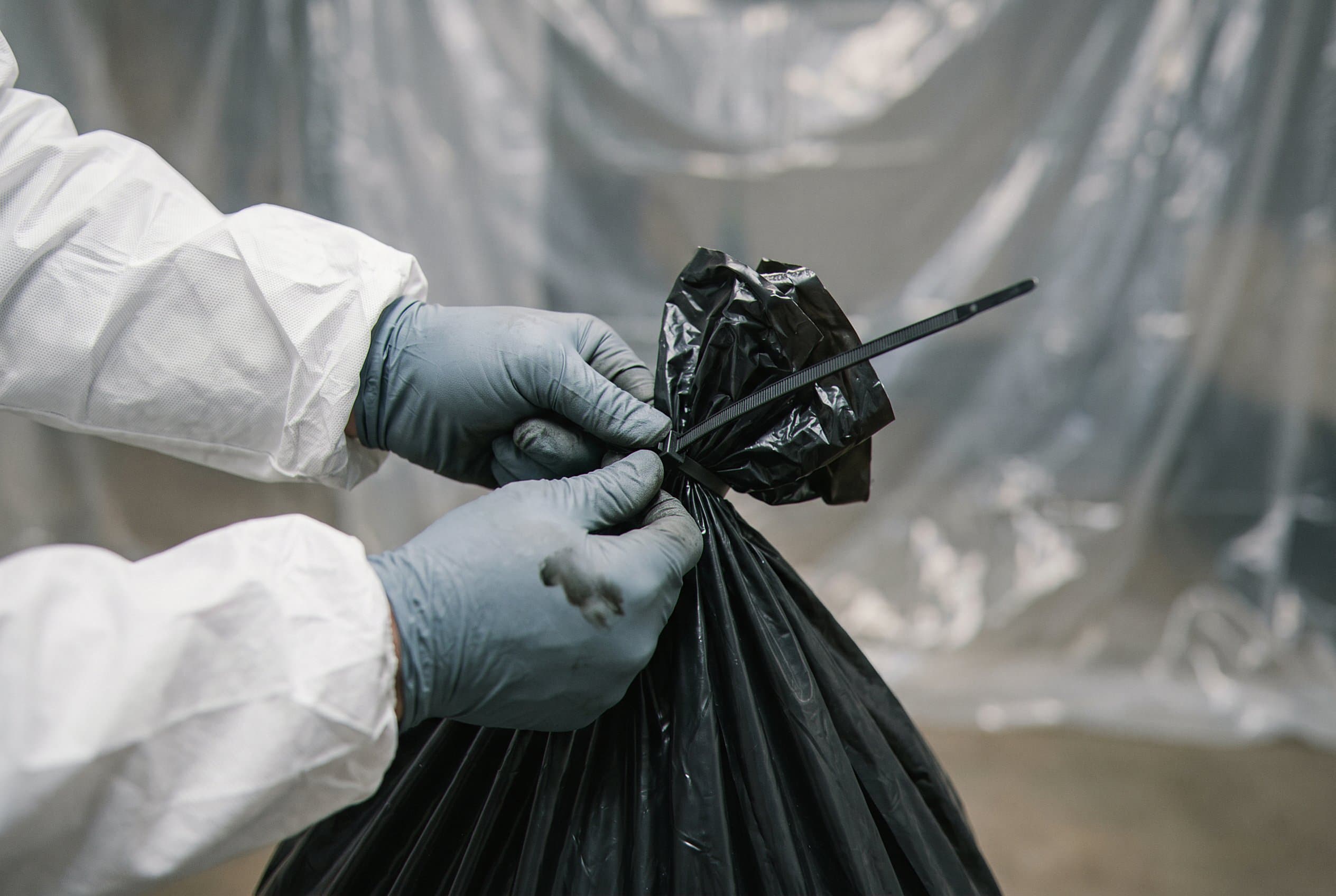
Technician protective gear decontaminating area
What we do

Fast, safe sewage cleanup for Garden Grove homes and businesses

A sewage backup is the worst kind of water damage. It is not clean water from a supply line. It carries bacteria and waste that can make your family sick the moment it spreads across your floors and soaks into the things you walk on every day. A main line can clog. A heavy Orange County storm can overload the system. Either way, raw sewage pushes up through a toilet, a shower drain, or a floor drain and runs fast and low across a slab. Call at any hour and we send a crew to your Garden Grove home so the mess stops growing. The longer it sits, the deeper it soaks into drywall, baseboards, and subfloor. That means more to tear out. Call the moment you see it and we move.

When we arrive, we treat every backup as black water, the dirtiest class the IICRC names. We move fast. We put on protective gear, seal off the rooms, and pull out the standing waste with truck mounted pumps. Then we bag and haul anything soft the sewage touched, because carpet, pad, and soaked drywall cannot be saved once waste reaches them and trying to dry them only traps the smell and the germs inside the material. We scrub each hard surface and apply an antimicrobial cleared by the EPA. We set air movers and dehumidifiers and dry the structure down to the framing. We also trace the backup to its source. Through all of it we log every step with photos, so you and your insurer see exactly what we did and why.

  • Our line is open at any hour, on weekends and holidays too. A backup never waits.
  • Our crew treats the scene as a true biohazard, with full protective gear, sealed off rooms, and a sanitizing pass over every surface the waste touched on its way through your home.
  • We extract the waste, tear out what is ruined, and dry the structure in one visit so mold never gets a head start in your walls.
  • We cover Garden Grove and the nearby Orange County cities, from Santa Ana and Westminster to Stanton, Anaheim, and Fountain Valley.
  • We photograph and log the whole loss as we work, room by room. Your claim moves faster and nothing slips through.
A sewage backup is a health risk, not just a cleaning job. We treat it that way from the first minute we walk in.

Sewage does more harm than the mess you can see. The smell alone signals germs in the air. The water left behind can feed mold inside your walls within a day, and it can rot a baseboard or warp the edge of a slab long before you ever notice the damage spreading behind the paint. That is why we never just mop and leave. We check the framing and subfloor with moisture meters and confirm they are truly dry before we close anything up. Then we sanitize again. By the time we hand the space back, it is safe to walk through and breathe again. If you smell sewage or see water rising from a drain, shut off the source if you can and call us.

Garden Grove homes sit on concrete slabs, so a backup spreads wide and low across the whole floor. We know how that plays out in local homes, and we carry the pumps, the protective gear, and the training to put it right the first time we are on site. The faster we start, the less we tear out. Your home feels normal again sooner. Call now and we will get a crew to your door fast.

Materials

The gear we bring to a sewage backup

Sewage cleanup is not a mop and bucket job. It takes gear built to move thick waste and gear built to kill what that waste leaves behind, and the two jobs are not the same. We roll up with truck mounted pumps that pull sludge and solids straight out of the room and into a sealed tank on the truck. For tight spots like a hall bath, a laundry closet, or a narrow hallway, we switch to portable extractors small enough to carry through a doorway. Then the surfaces. Hot water, stiff scrub tools, and an antimicrobial cleared by the EPA take the film off every hard surface the waste ran across on its way through your home. Anything soft it touched gets bagged, sealed, and hauled out the same day.

Drying a sewage loss is not the same as drying a clean water spill. We set air movers low along the slab and pair them with dehumidifiers sized to the room, then we watch the numbers instead of guessing. Moisture meters tell us what the framing and the slab still hold. Thermal cameras show us the water that ran under a wall and parked in a spot nobody would think to open. Air scrubbers pull smell and spores out of the room while we work, and plastic taped across the doorways keeps the rest of the house clean. Every tool here has a job. Every reading goes in the file with a photo beside it, so you can see the room go from wet to dry.

  • Truck mounted pumps that lift standing waste and solids out of the room fast.
  • Antimicrobial agents cleared by the EPA for use after a sewage loss.
  • Air scrubbers that pull smell and airborne spores out of the room while we work.
  • Moisture meters and thermal cameras that prove the walls and slab are truly dry.
What about the alternatives?

Your options after a backup

A backup puts you on the clock, and the choice you make in the first hour decides how much of your home you keep. Here is an honest look at each path and where it usually ends up.

Call us the moment it backs up

We contain the room, pump the waste out, haul away what is ruined, sanitize every surface, and dry the structure down to the framing in one visit, so the germs never get the chance to spread and your claim has photos behind it from the first minute we walk in.

Recommended

Have a plumber clear the line first

Smart if the line is still blocked, because the backup will come right back the moment someone runs a load of laundry. A plumber clears the pipe though. The cleanup, the sanitizing, and the drying still need a crew with the right gear.

Acceptable

Rent a wet vac and pull it up yourself

It moves the puddle and that feels like progress. It does not touch what soaked into the pad, the drywall, or the grout lines, and the whole time you are standing in raw waste with no protection on.

Acceptable

Bleach the floor and open the windows

Bleach on a sealed hard surface does help a little. On carpet, wood, or drywall it sits on top and evaporates while the waste stays deep in the material, so the room smells clean for a day and then does not.

Acceptable

Dry it with box fans and hope

Box fans push air around the room but pull no moisture out of it. The framing under the wall stays wet, the smell settles into the material for good, and mold gets a quiet head start behind the paint.

Skip

Wait for the smell to fade on its own

The smell is the germs telling you exactly where they live. Your nose gives up on it after a day or two, which feels like progress, while the mess behind the wall keeps feeding on the moisture and spreading.

Skip
How it goes

From quote to walk-on, fast.

01

Your inquiry

Call or send the short form with what is going on at your place. A sentence or two is plenty for the first step.

02

We talk it through

We go over the situation on the phone, ask the questions that matter, and tell you what we would do next.

03

A clear plan

You get a plain-language rundown of the work, the order it happens in, and what to expect on the day.

04

The work gets done

Our crew shows up when we said, does the job, and walks you through the result before leaving.

Before you book

Straight answers to the questions we hear most

A backup is stressful and nobody plans for one. These are the questions we get asked most in Garden Grove, answered the way we would answer them standing in your hallway.

Is a sewage backup really that dangerous?
Yes. The IICRC calls it black water, the dirtiest class there is. It carries bacteria and waste that can reach you through your skin, through a small cut on your hand, or through the air in that room. Keep kids and pets out of it. Shut the door, stay clear, and call us.
How fast can you get to my home in Garden Grove?
We aim to reach most Garden Grove homes within the hour, day or night, and we work the same way in Westminster, Stanton, Santa Ana, and Fountain Valley. Waste spreads by the minute across a flat slab. Every minute we save is floor and drywall you get to keep.
Do I have to throw out my carpet?
If raw sewage soaked the carpet and the pad, they come out. Waste works into the fibers and the backing where no cleaner ever reaches, and drying it only locks the smell and the germs inside. Tile, sealed concrete, and solid wood often clean up fine and stay. We tell you straight which is which before anything leaves the house.
Will my insurance cover a sewage backup?
Many policies do cover it, though drain backup is often its own add on rather than part of the base coverage. We photograph every room before we touch it, log the moisture readings as we dry, and write the scope up in plain language. Pull out your policy and call us. We will handle the paperwork side while your adjuster catches up.
Can we stay in the house while you work?
Often you can. We seal off the rooms we are working in with plastic and run air scrubbers so the rest of the house stays usable while the crew works. If the backup reached the kitchen or the only bathroom in the house, we will say so plainly and help you plan around the days it takes.
Will the smell come back later?
Not if the job gets done all the way through. Smell comes back when somebody cleans the surface and leaves wet material sitting inside a wall cavity or under a floor. We dry to a metered reading, not to a guess, and we sanitize a second time at the end. Nothing is left behind for the smell to feed on.
Aftercare

How to lower the odds of the next backup

Most backups we see in Garden Grove start out in the line between the house and the street. These are older tract neighborhoods with big mature trees, and roots find their way into an aging clay lateral one hairline crack at a time. Grease and wipes finish the job. A few habits keep that line open and give you warning long before waste ever reaches your floor. None of it costs much. It just takes a little attention twice a year, and the wet months are the right time to start.

  • Have the main sewer line scoped with a camera every couple of years, and sooner than that if there are big mature trees anywhere near the path it runs.
  • Keep grease out of the kitchen sink. Let it cool in a can, then throw the can away.
  • Flush toilet paper and nothing else. Wipes sold as flushable still snag on roots and build a clog that grows week after week until the line closes.
  • Ask a plumber about a backwater valve if your home sits low on the block or has backed up before.
  • Watch for slow drains, a gurgling toilet, or water rising in the tub when the washer drains, because those are the early warnings that come before a real backup.
  • Clear the yard drains and keep storm water away from the sewer cleanout before the winter rain starts.
Contaminated water covering residential floor
FAQ

Sewage cleanup questions from Garden Grove property owners

How fast can you get to my Garden Grove home?
Someone picks up at any hour, including nights and weekends, because water does not wait for business hours. We will not quote you a minute figure that traffic on the 22 can break. What we do instead is tell you when a crew is actually leaving, and walk you through shutting the water off while you wait.
What should I do before the crew gets there?
Shut the water off at the main if you can reach it safely. Stay out of standing water anywhere near outlets or the panel, and if you cannot get to the breaker without walking through it, leave it and wait for us. Then photograph everything while it is still wet, because your adjuster will want to see the damage before furniture starts moving.
Do you work with my insurance company?
We document the loss the way adjusters ask for it: moisture readings logged by day, photographs of every wet surface, and a written scope of what came out and what got dried. We talk to your adjuster directly so you are not stuck relaying technical questions. What your policy actually covers is between you and your carrier, and we will not pretend otherwise.
How long does drying take?
Most jobs run three to five days on equipment. The number that matters is not the calendar, it is the moisture reading in the wood, the drywall and the slab. We take those readings every day and pull the equipment when the structure hits the dry standard set by the IICRC, whose drying rules we work to, rather than when the floor stops feeling damp.
Will mold grow after this?
Mold can start colonizing in about 24 to 48 hours once material stays wet, which is the whole reason we push to get equipment running the same day. Dry it fast and completely and you usually avoid the problem entirely. Leave it two weeks under a rug and you are looking at a second, larger job.
Ready when you are

Let's make your next steps easier

Tell us what is going on at your Garden Grove home and we will walk you through the options. One call or one short form is all it takes.

Call (714) 462-8575Make your inquiry
CallContact us