
Mold Remediation · Garden Grove

Mold Remediation in Garden Grove, CA

When water sits too long, mold follows. We find it, contain it, and remove it the right way across Garden Grove, CA, so your home feels safe to breathe in again.

Free Quote

Free Mold Remediation quote.

We reply within 1 business hour. No spam, ever.

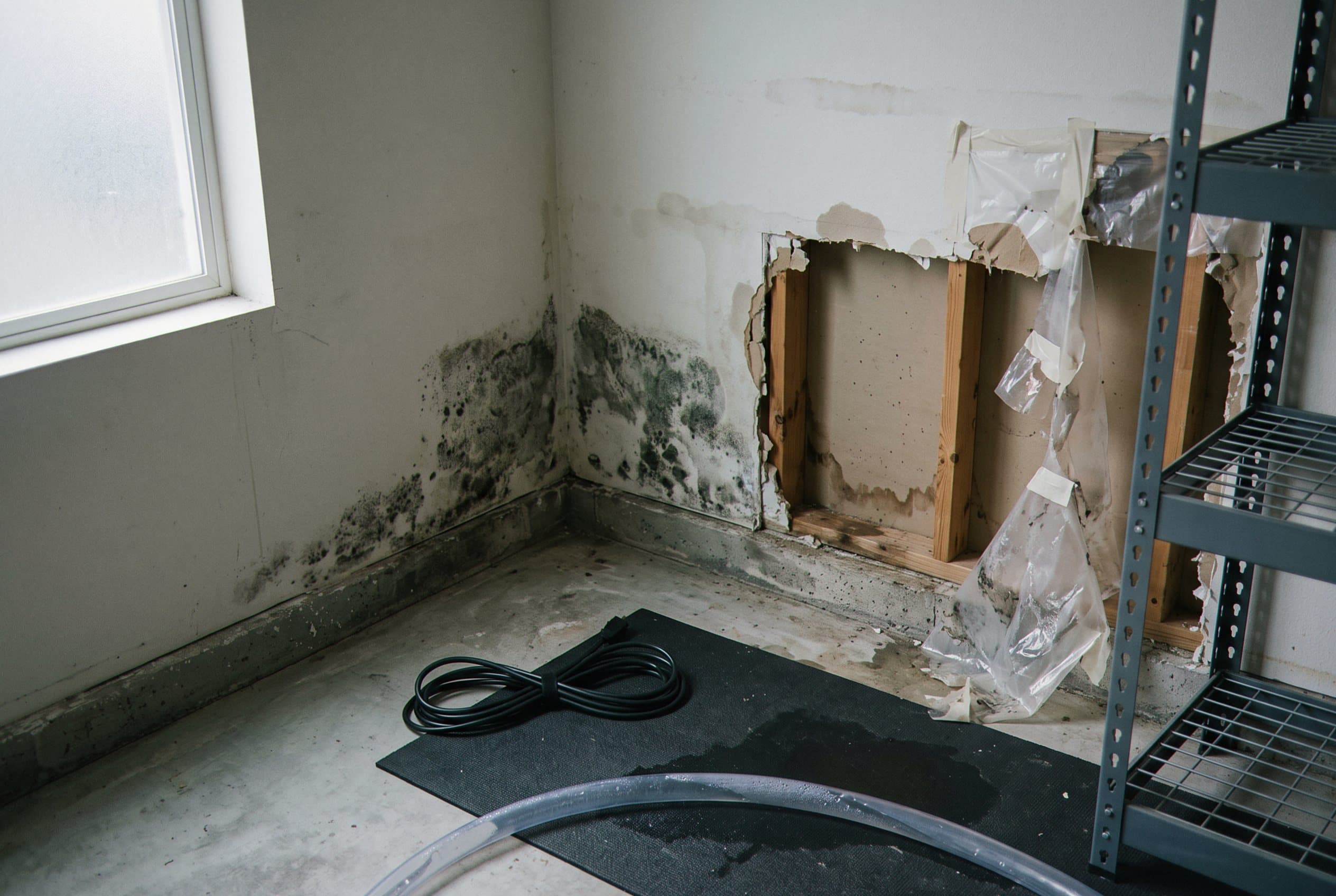
Visible mold growth residential drywall
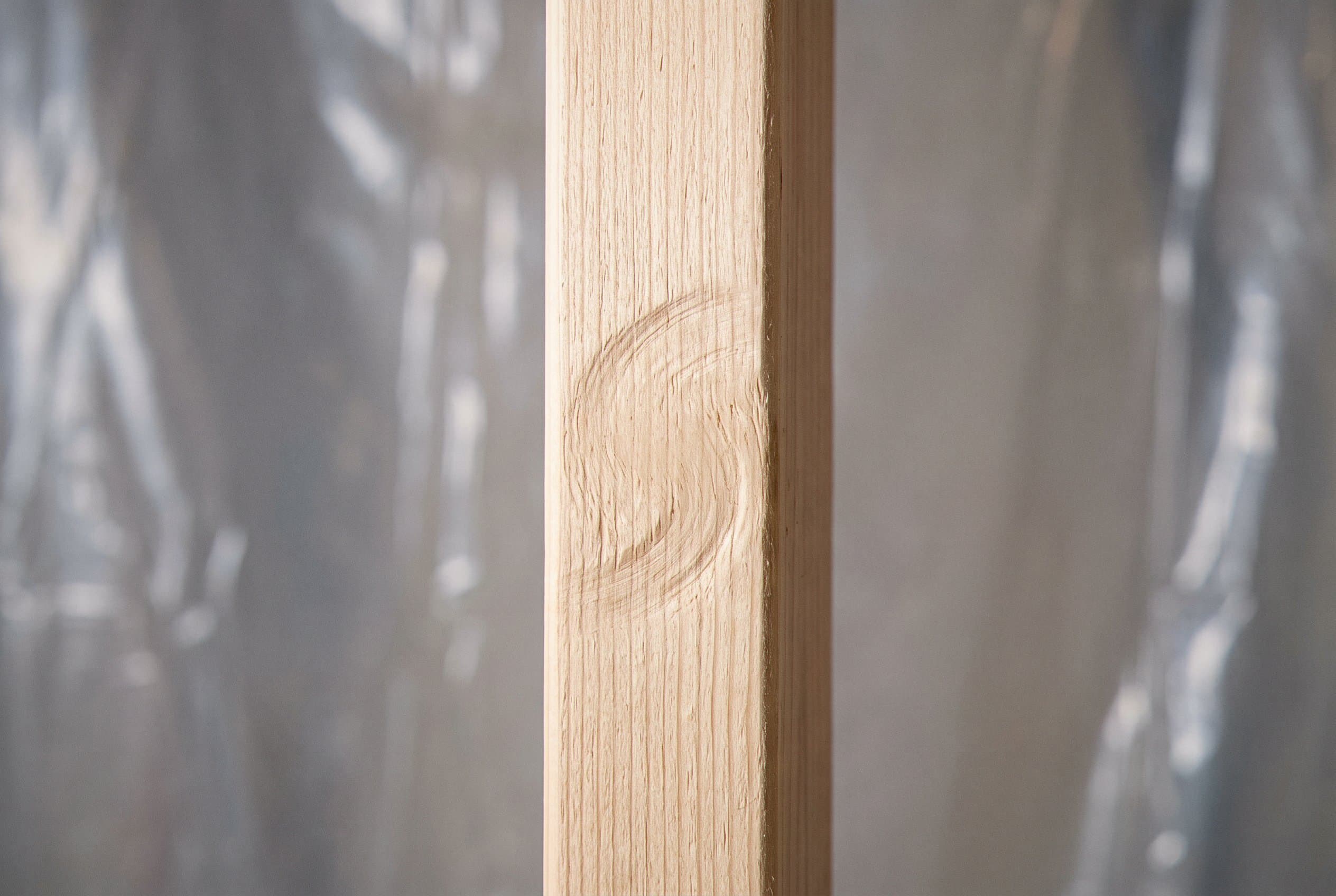
Mold infestation wooden framing close-up
What we do

Mold removal done right, by the crew that answers the phone

Mold rarely shows up on its own. It follows water that sat too long. Think of a slow leak behind a wall, a flooded laundry room, or a roof that let rain seep in. Once spores find damp drywall, carpet pad, or wood, they spread fast. The musty smell usually gives them away before you ever see a spot. We start every Garden Grove job by finding the moisture source. Killing mold without fixing the cause just buys you a few quiet weeks before it comes back. Our crew reads the room with moisture meters, checks the hidden spots behind baseboards, and maps how far the growth has really reached. Only then do we tell you the scope. You will not get a vague guess or a scare tactic, just a clear picture of what is wet, what is moldy, and what it takes to fix.

Containment comes next, and it matters more than most people expect. We seal the work area with plastic sheeting and run negative air machines so spores stay trapped inside instead of drifting into the bedrooms and kitchen. Then we get to the actual removal. We take out what cannot be saved, scrub down what can, and treat the surfaces that stay in place. Throughout the job we follow the steps the IICRC lays out for mold cleanup, and we keep the EPA guidance in mind on when a job calls for full containment versus a lighter touch. Air filtration runs the whole time to catch what gets stirred up. What you get is a calm, orderly process with drop cloths and clear edges, not a crew tearing into walls and hoping the problem goes away on its own. We clean up after ourselves before we leave each day.

  • We trace the moisture source first, so the mold loses the damp it needs to grow back.
  • Sealed containment and negative air machines keep spores out of the rooms where you sleep and eat.
  • We follow IICRC cleanup steps and EPA containment guidance, so the work holds up to scrutiny.
  • We dry the structure fully and verify it, the one step that rushed crews skip.
  • One local crew handles both the water and the mold, so you make a single call, not three.
We do not just wipe mold off a wall and call it done. We find out why it grew, then make sure it has no reason to come back.

When the visible mold is gone, the work is not done yet. We dry the structure all the way down and confirm the moisture is truly out before we close anything up. That last step is the one most rushed jobs skip, and it is exactly why the mold creeps back a month later. We walk you through what we found, what we removed, and which spots to keep an eye on going forward. If your case traces back to a burst pipe, a failed water heater, or a flooded floor, we handle the water side too, so you deal with one Garden Grove crew from start to finish instead of juggling three. No handoffs, no finger pointing. We bring the gear, the cleanup, and the answers under one roof. Call us and we will tell you straight what your home needs, in plain words you can act on the same day.

Mold spreads while you wait, so the sooner we look at it the less we have to remove. Call Garden Grove Water Damage Restoration today. We will get a crew out to inspect, explain what is going on in plain words, and start the cleanup the right way.

Materials

The gear we bring to a mold job

Mold work is only as clean as the gear behind it. We seal the room off first with plastic sheeting and tape, then set a negative air machine so the pressure inside the work zone stays lower than the rest of the house. The dust we stir up has nowhere to travel. Air scrubbers with HEPA filters run beside it and pull spores out of the air for the whole job, not just at the end. When we cut, we cut with tools that pull dust straight into a filter. A shop vacuum blows fine spores right back into the room through its exhaust, which is why every vacuum we bring runs on HEPA filtration instead. The crew wears respirators and suits. We swap them between zones so nothing rides from one room into another.

Finding mold takes a different set of tools than removing it. Moisture meters tell us what the drywall and framing hold inside, and that number matters far more than how the paint looks. Thermal cameras show cool damp patches behind stucco walls and above ceilings. They also flag the air conditioner closet, where a clogged drain line can drip for weeks before anyone notices. A borescope lets us look inside a wall through one small hole. In a Garden Grove slab home we watch the bottom foot of every wall closely, since water that spreads across concrete wicks up into baseboard and framing for days with no sign on the surface. Once removal is done we treat what stays with an antimicrobial made for mold. Then we dry it all down and read the meter again before any rebuild starts.

  • Negative air machines that hold spores inside the sealed work zone
  • HEPA air scrubbers and vacuums that trap what the cutting stirs up
  • Moisture meters and thermal cameras that read the damp behind the wall
  • Antimicrobial treatment for the framing and surfaces we leave in place
What about the alternatives?

Your options when mold shows up

People try a lot of things before they call us, and some of them help. Here is an honest look at what actually clears mold from a Garden Grove home, what only takes the edge off, and what makes the problem worse while it hides.

Full remediation with containment

We seal the area, run negative air, remove what is ruined, treat what stays, then dry and verify the structure.

Recommended

Fixing the plumbing or roof leak first

It stops the water feeding the growth, though the mold already in the wall still has to come out.

Acceptable

A store bought mold spray on a surface spot

Fine for a bit of shower grout, useless once the growth is inside drywall or framing.

Acceptable

A dehumidifier and a room air purifier

They lower the damp and clean some air, but neither one removes the colony living in the wall.

Acceptable

Painting over the spot with a stain blocking primer

It hides the stain for a season and traps the moisture, so the mold keeps eating the board underneath.

Skip

Bleaching the surface and leaving the wall wet

Bleach lightens the color on top while the roots stay put, and the water you add feeds the next round.

Skip
How it goes

From quote to walk-on, fast.

01

Your inquiry

Call or send the short form with what is going on at your place. A sentence or two is plenty for the first step.

02

We talk it through

We go over the situation on the phone, ask the questions that matter, and tell you what we would do next.

03

A clear plan

You get a plain-language rundown of the work, the order it happens in, and what to expect on the day.

04

The work gets done

Our crew shows up when we said, does the job, and walks you through the result before leaving.

Before you book

What Garden Grove owners ask us about mold

Mold brings up a lot of worry, and most of what people have read online is either scary or vague. Here are the questions Garden Grove owners ask us most, answered plainly.

Is the black mold in my home dangerous?
Color alone does not tell you much. Plenty of dark growth is ordinary, and some pale growth is worse than it looks. What matters is how much there is, where it sits, and who lives in the house. Small children, older adults, and anyone with asthma feel it first. We treat every job with the same containment either way, so nobody in your home has to breathe what we disturb.
Do I need a mold test before you start?
Not usually. If you can see growth and smell it, testing mostly confirms what your nose already told you and delays the cleanup by days. Testing earns its keep in a couple of spots. It helps when you suspect hidden growth with no visible source, or when a landlord and tenant disagree, or when you want a clearance reading after the work. We will tell you honestly which situation you are in.
How long does mold remediation take?
A single bathroom wall can be handled in a day or two. A kitchen and hallway that took on water from a failed supply line may run most of a week once drying is counted. The removal itself is often the quick part. Drying the framing to a stable reading is what sets the real schedule, and we give you a daily update so the end date never sneaks up on you.
Can I stay in the house while you work?
Most of the time, yes. The containment is sealed and the air scrubbers keep the rest of the home clear, so life goes on outside the plastic. We do talk it through when the work zone covers a kitchen, a main bathroom, or the only path to a bedroom. If someone in the house has a breathing condition, we plan around that first.
Will you find where the water is coming from?
That is the first thing we look for. We follow the damp with meters and a thermal camera until it leads somewhere real, whether that is a slab leak, a roof valley, a window that never got flashed right, or a condensate line dripping inside a closet. We tell you what we find in plain language. Then we handle the water damage side ourselves, since we do that work every day across Garden Grove.
Will my insurance cover the mold cleanup?
That depends on your policy and on what caused the water, so we will not promise you an answer we do not control. What we can do is document the job the way an adjuster wants to see it. We photograph the growth, log moisture readings, note what we removed and why, and hand you a clean record. Owners tell us that paperwork is half the battle.
Aftercare

How to keep mold from coming back

Once your home is dry and clean, keeping mold out is mostly about staying ahead of moisture. Our coastal air runs humid, the marine layer keeps things damp in the morning, and winter rain finds every gap in a roof or window seal. None of the habits below take much time. They just catch small water problems while they are still small, which is the whole game with mold.

  • Run the bath and kitchen exhaust fans during and after every shower or long cook.
  • Check under sinks, behind the washer, and around the water heater once a month.
  • Flush the air conditioner condensate line each season so it never backs up into a wall.
  • Aim sprinklers away from stucco and the base of the house, not at it.
  • Clear gutters and grade before the winter rains so water flows away from the slab.
  • Dry any spill or leak within a day, since mold can take hold that fast.
Visible mold growth residential drywall
FAQ

Mold remediation questions we hear in Garden Grove

How fast can you get to my Garden Grove home?
Someone picks up at any hour, including nights and weekends, because water does not wait for business hours. We will not quote you a minute figure that traffic on the 22 can break. What we do instead is tell you when a crew is actually leaving, and walk you through shutting the water off while you wait.
What should I do before the crew gets there?
Shut the water off at the main if you can reach it safely. Stay out of standing water anywhere near outlets or the panel, and if you cannot get to the breaker without walking through it, leave it and wait for us. Then photograph everything while it is still wet, because your adjuster will want to see the damage before furniture starts moving.
Do you work with my insurance company?
We document the loss the way adjusters ask for it: moisture readings logged by day, photographs of every wet surface, and a written scope of what came out and what got dried. We talk to your adjuster directly so you are not stuck relaying technical questions. What your policy actually covers is between you and your carrier, and we will not pretend otherwise.
How long does drying take?
Most jobs run three to five days on equipment. The number that matters is not the calendar, it is the moisture reading in the wood, the drywall and the slab. We take those readings every day and pull the equipment when the structure hits the dry standard set by the IICRC, whose drying rules we work to, rather than when the floor stops feeling damp.
Will mold grow after this?
Mold can start colonizing in about 24 to 48 hours once material stays wet, which is the whole reason we push to get equipment running the same day. Dry it fast and completely and you usually avoid the problem entirely. Leave it two weeks under a rug and you are looking at a second, larger job.
Ready when you are

Let's make your next steps easier

Tell us what is going on at your Garden Grove home and we will walk you through the options. One call or one short form is all it takes.

Call (714) 462-8575Make your inquiry
CallContact us