
Water Leak Detection · Garden Grove

Water Leak Detection in Garden Grove, CA

A hidden leak rarely announces itself. It works behind the drywall and under the slab while your bill creeps up and the structure slowly soaks. We find the source fast and read it precisely, before it rots a subfloor or feeds mold inside your Garden Grove walls.

Free Quote

Free Water Leak Detection quote.

We reply within 1 business hour. No spam, ever.

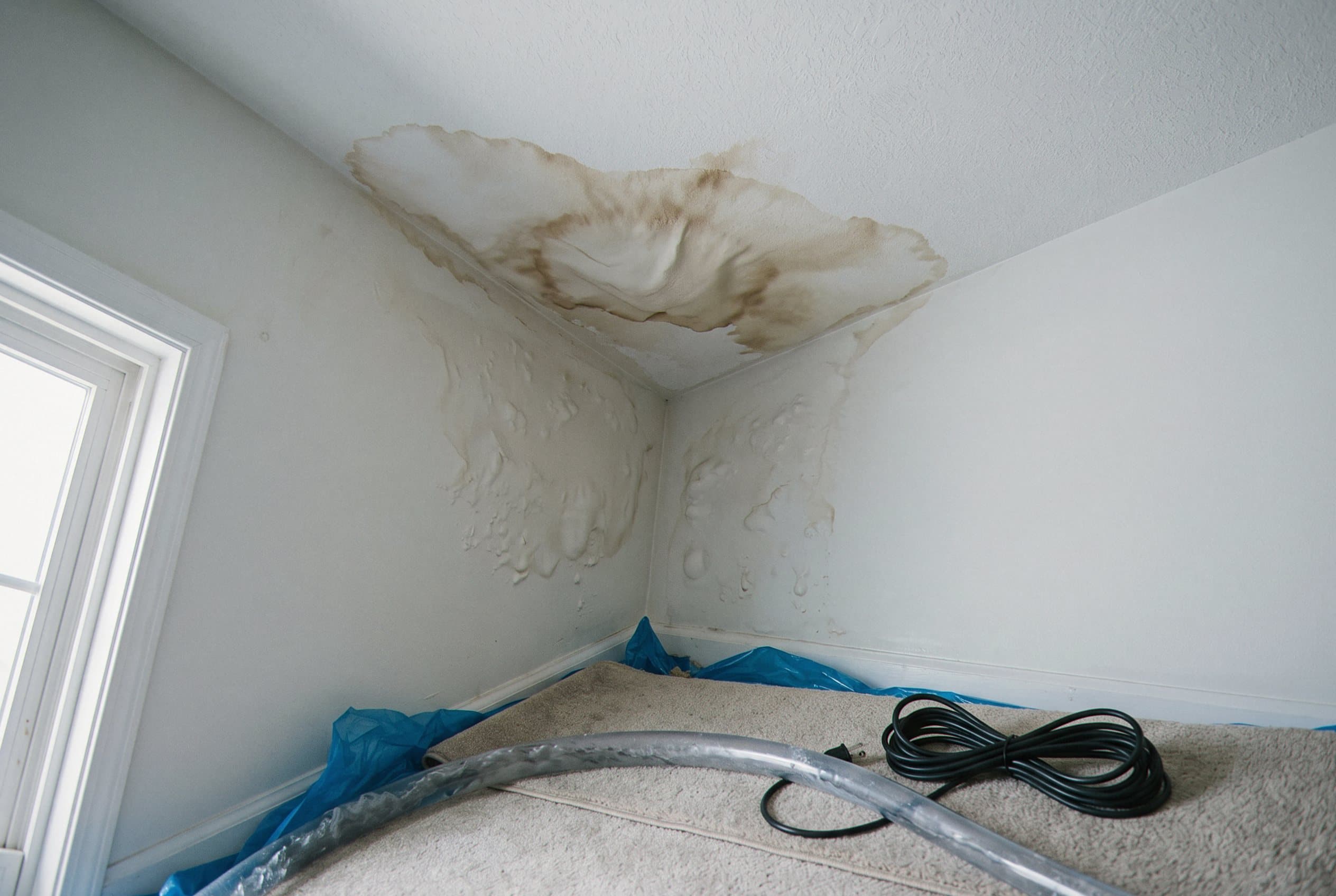
Drywall discolored stained hidden leak
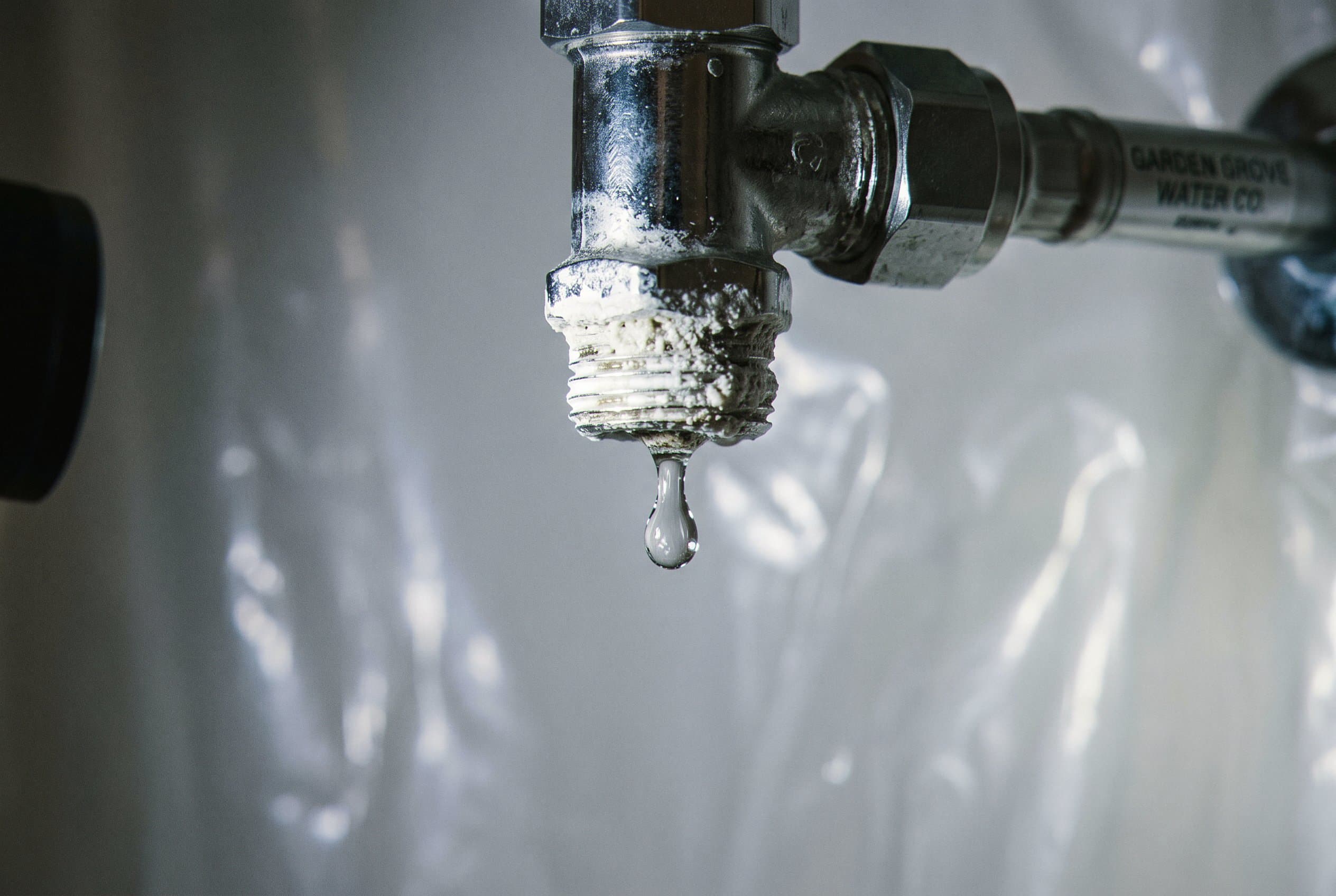
Moisture meter probes internal wall reading
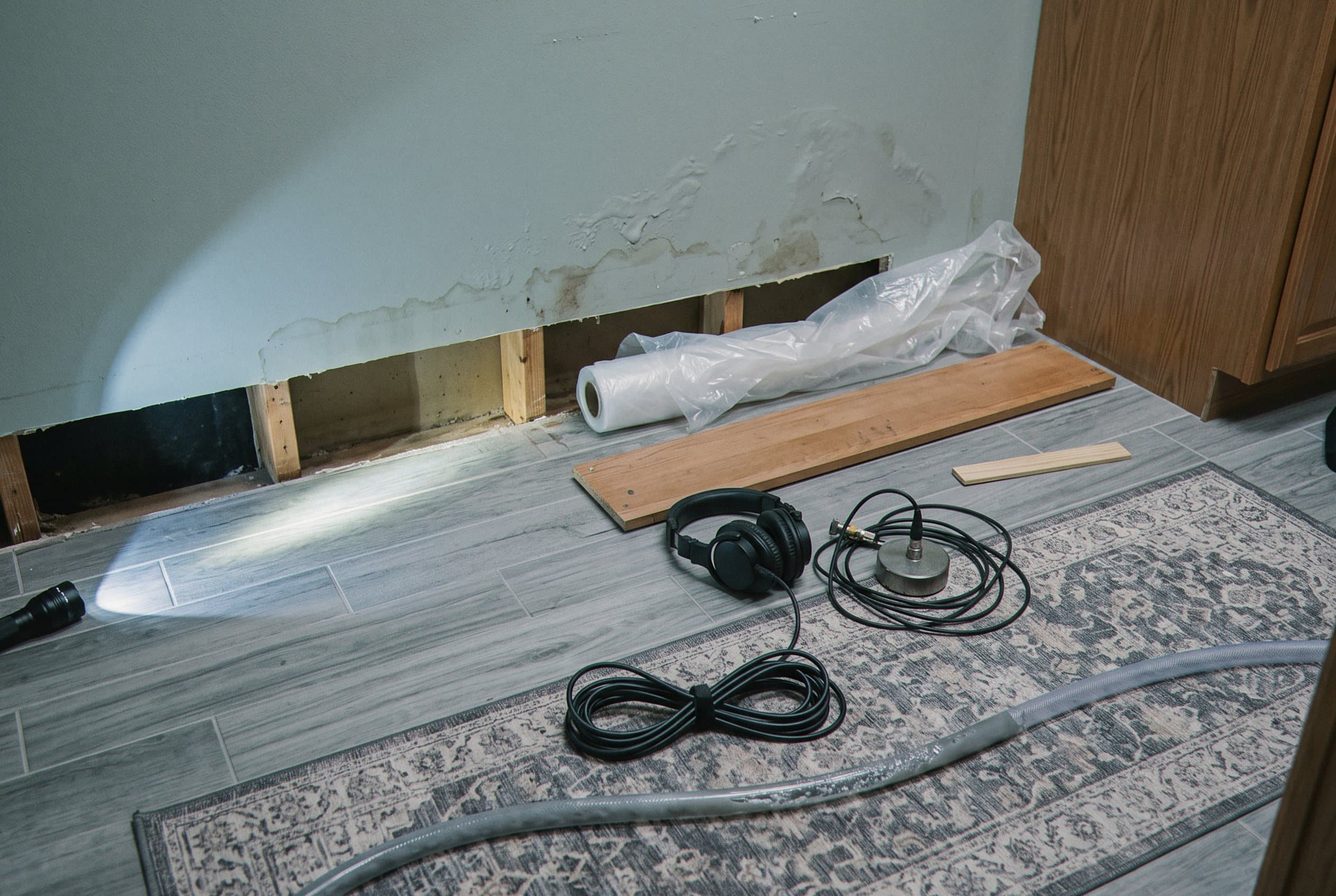
Thermal camera moisture detection tools displayed
What we do

How we track down a hidden water leak

A leak you cannot see is the one that costs the most. By the time a stain spreads across a ceiling or the floor feels soft underfoot, water has usually been moving through the structure for weeks. A small drip behind a shower valve can run for a month before a single tile ever loosens. We get a steady stream of calls in Garden Grove from owners who watched their water bill climb with no clear reason. Others notice a musty smell near a wall that should be bone dry, or a warm spot on a floor that hints at a hot line losing water below. None of these clues point to an exact location on their own. That is the trap with a hidden leak. Our crew starts where the evidence leads and works outward, reading moisture through finished surfaces so we never tear into drywall on a hunch.

We bring the same gear professional restorers use every day. A moisture meter tells us how wet a material is below the paint, even when the surface looks dry. Thermal cameras read the small heat shifts that mark the path of water behind a wall or under a slab. Acoustic gear picks up the faint hiss of a pressure line losing water below ground, where nothing shows at all. Each tool narrows the search until we can put a finger on the exact spot. That precision is the whole point. The gap between a small cut and a wall ripped wide open is real money, real dust, and real mess in a home you still have to live in.

  • We pinpoint the leak first, so any hole we make in a wall, ceiling, or floor stays small.
  • Meters and thermal cameras read wet wood and drywall behind a finished surface. We confirm the leak with no demolition and no holes punched on a guess.
  • We trace supply lines, drain lines, and slab leaks. Then we tell you in plain words what is failing.
  • We do the work ourselves and move fast across Garden Grove when a leak is soaking your home.
  • Once we find the source, the same crew starts the water removal and drying. You never wait on a second company.
We do not open a wall until the meters tell us exactly where the water is.

Finding the leak is only half the job. Once we confirm the source, we map how far the water has spread. Water hides. A slow drip under a kitchen sink can soak the cabinet base and travel feet across the subfloor before anything ever shows on top, and a failed line inside a wall can run all the way down to the bottom plate and pool in a closed space you would never think to check. We also look at the spots people forget, like a sweating water heater, a cracked toilet flange, or a yard line that seeps against the foundation. We map that wet zone, photograph it, and walk you through every finding before a single repair begins. If the area is already soaked, our crew sets up extraction and drying on the same visit. The damage stops there.

Did your water bill jump for no clear reason? Maybe a wall feels damp, or you hear water running with every tap in the house shut off. Give us a call. We will find the leak in your Garden Grove home, show you what we found, and tell you straight what it takes to set it right.
Materials

The gear we bring, and why each tool earns its spot

No two leaks read the same, so we never show up with one tool. A moisture meter comes out of the truck first. Pin probes read wet wood and framing from the inside, while a pinless meter scans a finished floor without leaving a mark on it. Thermal cameras come next. They do not see water at all. They see the cool trail water leaves as it moves through a wall or across a slab, and that trail points us back toward the source. For pressure lines we listen. Acoustic gear amplifies the small hiss a pinhole makes under concrete, and a floor that sounded silent starts to talk. When a line runs deep and nothing else gives a clean read, we can send tracer gas through it and follow the line to the break.

The homes here shape how we work. Older tracts around Garden Grove sit on a slab with copper running below it, and years of hard water and shifting soil wear those lines thin. One pinhole down there can soak a floor for weeks before a rug ever feels damp. Newer builds bring their own trouble. A flexible supply line under a sink splits at the fitting, or a hose bib on a sunny stucco wall drips into the wall where nobody looks. So we match the tool to the house. On a slab we lean on acoustic gear and thermal reads. Inside a wall we lean on meters and a small scope camera. The goal never changes. We want the exact spot before anyone picks up a saw.

  • Moisture meters read how wet the wood and drywall are behind paint and tile, with nothing torn open.
  • Thermal cameras trace the cool path water leaves inside a wall or under a slab.
  • Acoustic gear picks up the hiss of a pressure line losing water under concrete.
  • A scope camera lets us see inside a wall through an opening the size of a quarter.
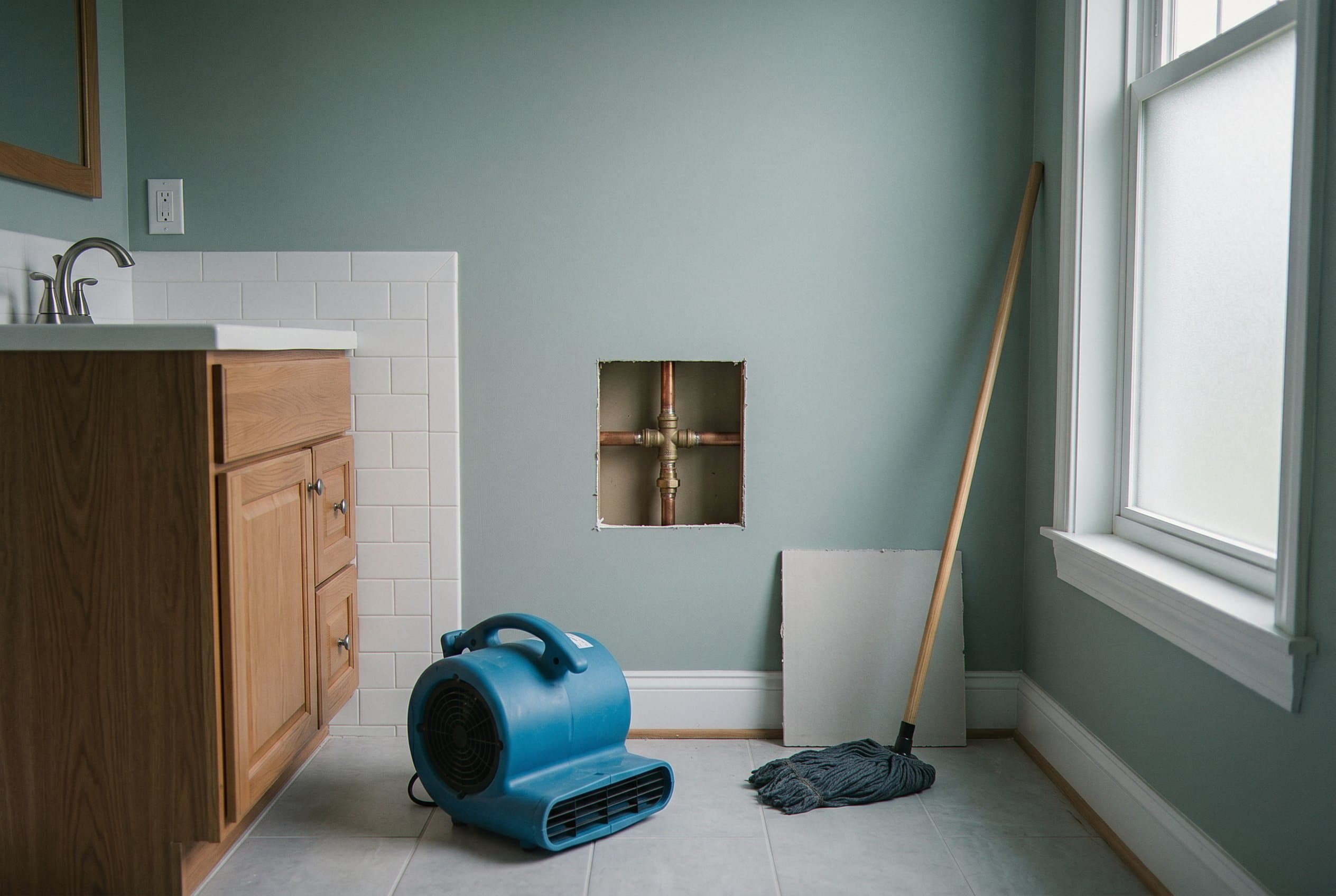
Wall moisture readings showing dry interior
What about the alternatives?

Your options when you suspect a hidden leak

Owners in Garden Grove usually try a few things before they call anyone. Some of those steps genuinely help and cost you nothing. Others burn days while the water keeps moving through the structure. Here is how the common choices stack up.

Professional detection with meters, thermal, and acoustic gear

Finds the source without guessing and keeps any opening small and deliberate. It also maps how far the water already traveled, so drying starts in the right place instead of the obvious one.

Recommended

Shutting the water off and watching the meter

A smart first check that costs nothing but ten minutes. If the dial still creeps with every tap and toilet closed, water is escaping somewhere. The test proves a leak exists. It never tells you where it sits.

Acceptable

Calling a plumber first

The right call when the leak is at a visible fixture, valve, or trap. On a hidden slab or wall leak, the repair still waits on detection gear, so you may end up making two separate calls.

Acceptable

A store bought moisture meter

Handy for confirming that a baseboard really is damp. The cheap ones read shallow, misread tile and stone, and give you a number with no context, so they rarely point at the true source.

Acceptable

Opening drywall to have a look

This is guesswork with a saw in your hand. Every hole that misses is more patching later, more dust through the house, and the leak keeps running the whole time you repair the wall.

Skip

Waiting to see if the stain gets bigger

The most expensive choice on this list. Wet framing and carpet pad can grow mold within a couple of days, and a small plumbing fix turns into a floor, cabinet, and drywall job.

Skip
How it goes

From quote to walk-on, fast.

01

Your inquiry

Call or send the short form with what is going on at your place. A sentence or two is plenty for the first step.

02

We talk it through

We go over the situation on the phone, ask the questions that matter, and tell you what we would do next.

03

A clear plan

You get a plain-language rundown of the work, the order it happens in, and what to expect on the day.

04

The work gets done

Our crew shows up when we said, does the job, and walks you through the result before leaving.

Before you book

Straight answers before you book leak detection

We hear the same worries on almost every call. Here is exactly where we stand on each one.

Do you have to cut open my walls to find it?
Usually no. The whole reason we run meters and thermal imaging first is to avoid that. When an opening is the only way to confirm the source, we keep it small, we put it where the patch is simple, and we show you the spot and the reading before anything gets cut.
My bill jumped but I see no water anywhere. Is that a leak?
It often is. A pressure line under the slab or inside a wall can lose water for weeks with nothing at all showing at the surface. Shut every fixture off, then watch the meter. If it keeps moving, something is running where you cannot see it.
Can you find a leak under a concrete slab?
Yes, and we do it often. So many homes around Garden Grove and the rest of Orange County sit on a slab with supply lines below the concrete. We listen for the line with acoustic gear, read the floor for heat and moisture, then mark the spot right on the slab.
How long does the visit take?
Most homes run a couple of hours from the first read to a marked source. A large property, a long yard line, or a leak with several possible causes can take longer than that. We talk you through what we are seeing as we go, so nothing lands as a surprise.
What if you find the leak and the floor is already soaked?
Then we keep working. The same crew pulls the standing water out, sets air movers and dehumidifiers, and dries the structure down to a reading we can verify. You do not sit and wait for a second company to show up the next day.
Should I wait and see whether it dries on its own?
It will not. A subfloor that soaked through stays wet under the surface long after the top feels dry to the hand, and mold gets going fast in that damp. Drying early almost always means less material has to come out later. We record what we find with photos and moisture readings so you have a clear account of the damage.
Aftercare

Simple habits that catch a leak early

You cannot see through a wall, but you can watch for the small signals that arrive first. Almost every hidden leak we find in Garden Grove had been sending one for weeks before anyone acted. A bill that crept up two months running. A warm patch on a tile floor. A faint musty smell in one closet and nowhere else. None of those prove a leak on their own, and every one of them is worth ten minutes of checking. Here is what we tell owners to watch between visits.

  • Read your water meter with every tap and toilet shut off, then read it again an hour later. Any movement means water is going somewhere it should not.
  • Check under sinks and behind toilets once a season. Look for green crust on the fittings, a swollen cabinet base, or a supply line that has gone stiff.
  • Feel your floors barefoot. A warm patch on tile over a slab often means a hot line is losing water somewhere underneath the concrete.
  • Watch the pan under your water heater and the floor around it. Rust streaks and a damp base are early warnings you still have time to act on.
  • Walk the yard an hour after the sprinklers run. A patch that stays soggy or grows greener than everything around it can point to a broken irrigation line.
  • Trust your nose. A musty smell that keeps coming back in one room, with no water in sight, is worth a moisture check before it becomes a mold job.
Drywall discolored stained hidden leak
FAQ

Water leak detection questions from Garden Grove owners

How fast can you get to my Garden Grove home?
Someone picks up at any hour, including nights and weekends, because water does not wait for business hours. We will not quote you a minute figure that traffic on the 22 can break. What we do instead is tell you when a crew is actually leaving, and walk you through shutting the water off while you wait.
What should I do before the crew gets there?
Shut the water off at the main if you can reach it safely. Stay out of standing water anywhere near outlets or the panel, and if you cannot get to the breaker without walking through it, leave it and wait for us. Then photograph everything while it is still wet, because your adjuster will want to see the damage before furniture starts moving.
Do you work with my insurance company?
We document the loss the way adjusters ask for it: moisture readings logged by day, photographs of every wet surface, and a written scope of what came out and what got dried. We talk to your adjuster directly so you are not stuck relaying technical questions. What your policy actually covers is between you and your carrier, and we will not pretend otherwise.
How long does drying take?
Most jobs run three to five days on equipment. The number that matters is not the calendar, it is the moisture reading in the wood, the drywall and the slab. We take those readings every day and pull the equipment when the structure hits the dry standard set by the IICRC, whose drying rules we work to, rather than when the floor stops feeling damp.
Will mold grow after this?
Mold can start colonizing in about 24 to 48 hours once material stays wet, which is the whole reason we push to get equipment running the same day. Dry it fast and completely and you usually avoid the problem entirely. Leave it two weeks under a rug and you are looking at a second, larger job.
Ready when you are

Let's make your next steps easier

Tell us what is going on at your Garden Grove home and we will walk you through the options. One call or one short form is all it takes.

Call (714) 462-8575Make your inquiry
CallContact us