
Burst & Leaking Pipe Cleanup · Garden Grove

Burst Pipe Cleanup in Garden Grove

A pipe lets go and water spreads through your home in minutes. We answer the phone, reach your Garden Grove address fast, and start cleanup the same day you call.

Free Quote

Free Burst & Leaking Pipe Cleanup quote.

We reply within 1 business hour. No spam, ever.

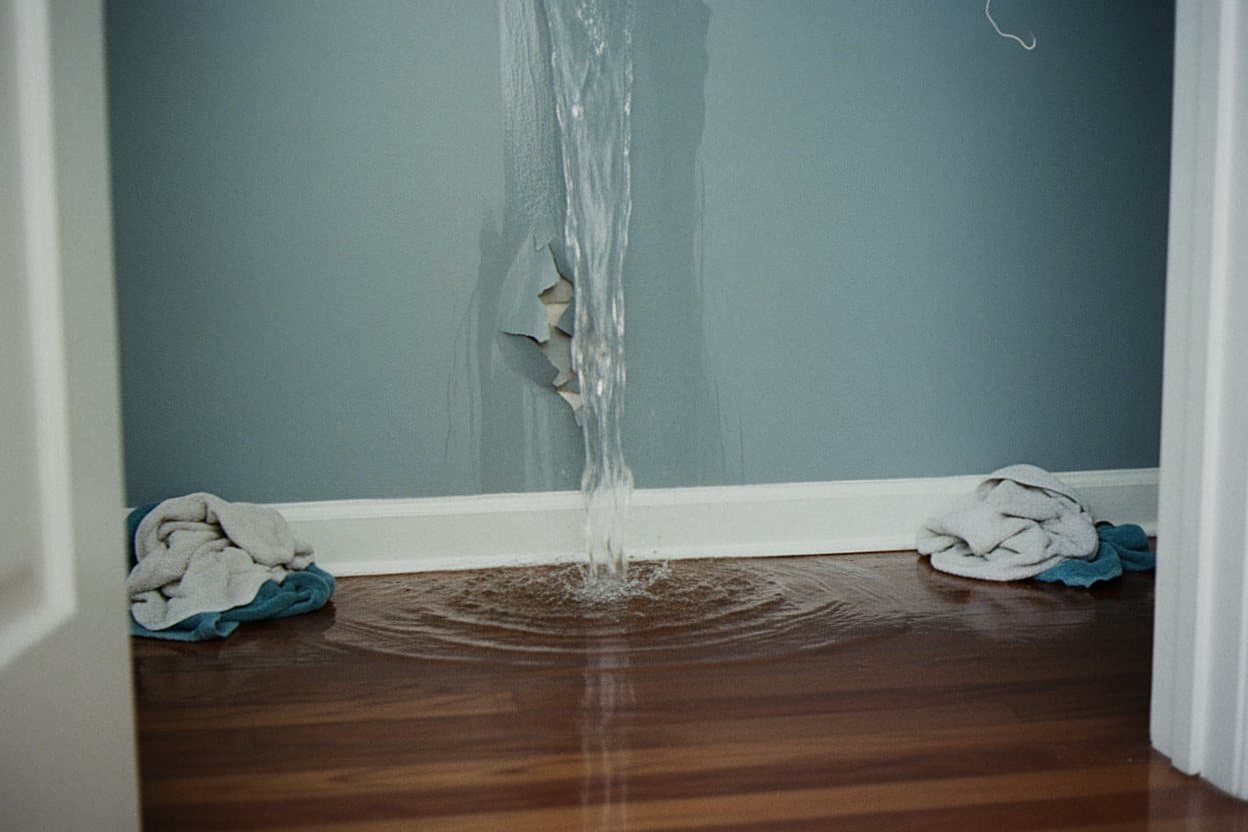
Burst pipe spraying water home interior
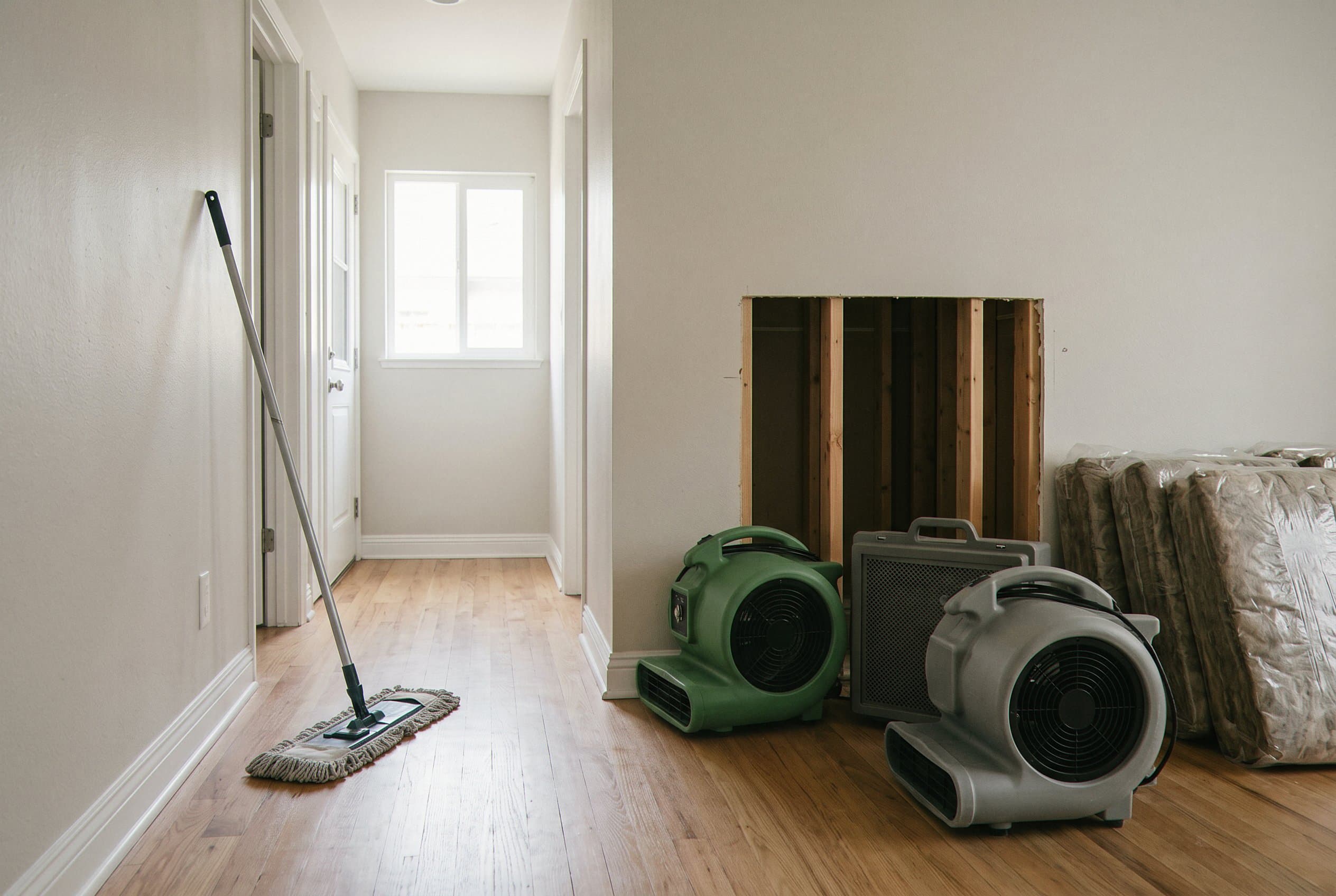
Stacked bagged water-damaged materials removed
What we do

We stop the water and dry your home

A burst pipe in a Garden Grove home almost never comes from a freeze. Our winters stay mild. The real causes are age and pressure. Copper supply lines slowly form pinhole leaks, older galvanized pipe rusts from the inside until a seam splits open, and steady street pressure pushes against fittings and joints until one of them finally gives out. Many homes here sit on a concrete slab. That means a line can run under the floor and leak for days before you spot a warm patch underfoot or a water bill that doubled for no clear reason. Then the pipe lets go. Water spreads into drywall, baseboards, cabinets, and flooring within minutes. We pick up the phone, walk you through shutting the water off at the main, and send a crew straight to your address.

With a broken pipe, speed beats everything else. The longer water sits in your home, the deeper it soaks into the framing and the harder the whole job becomes. We show up ready to work, not just to look. First we trace the leak to its source and confirm the flow is fully stopped. We also block off the wet area so the damage cannot track into your dry rooms. Then we pull standing water with high volume extractors and take out soaked materials that will never dry on their own, like the wet pad under your carpet or a swollen run of baseboard. We set air movers and commercial dehumidifiers in the right spots. These draw moisture out of the wood, the drywall, and the slab itself. We open wall cavities and read under cabinets with moisture meters, because what you can see is rarely the full reach of the water. The job is done when the structure reads dry, not when the floor merely feels dry to your hand.

  • Call day or night and we roll out fast, so a small leak never turns into a gutted room or a moldy wall.
  • We track the break to its real source, from a pinhole in a copper line to a slow leak under your slab.
  • We pull standing water and set drying gear on the same visit, never days later once the damage has set in.
  • We confirm the framing, drywall, and slab are dry with meters, not by a quick touch of the surface.
  • We log every step with photos and moisture readings, so your insurance claim is easier and faster to file.
A burst pipe is a race against the water. The faster we dry the structure, the less of your home you lose.

Hidden moisture is what causes the lasting damage after a pipe breaks. Water wicks up drywall and runs along the bottom plate of a wall, often far from where the leak first started. Left alone, it warps wood and feeds mold within days. Orange County stays warm most of the year, and that steady warmth speeds mold growth the very moment moisture gets trapped behind a wall. So we dry the entire affected zone. Then we keep reading it until every number lands where it should. If a material is soaked past saving, we cut it out cleanly so your repair begins on a solid, dry base instead of hiding a problem you cannot see. We serve Garden Grove and the nearby communities of Westminster, Santa Ana, Stanton, Anaheim, and Fountain Valley. Every call gets treated like the emergency it is.

If a pipe just gave way, call us right now. We will walk you through shutting the water off at the main, then send a crew to your Garden Grove home to start the cleanup before the damage spreads any further.

Materials

The gear we bring to a broken pipe

A pipe failure is a plumbing problem and a drying problem at once, so our trucks carry gear for both. We bring pressure testing tools to confirm the line has truly stopped leaking. Only then does the rest of the work start. Acoustic gear and thermal cameras let us follow a supply line under a slab without cutting a trench on a guess. Once we know where the water went, the pumps and extractors come off the truck. Portable extractors pull water out of carpet and pad. Wall vents and drying panels push warm air behind baseboards and into closed spaces that a fan in the room will never reach.

Drying a slab home takes different tools than drying a raised floor. Water under a tile or vinyl floor has nowhere to go. So we use mat systems that pull the moisture straight up through the surface instead of tearing out the whole floor. Big dehumidifiers keep the room air dry enough to keep that moisture moving. Air movers aim along the walls rather than at them, since we want airflow across a wet surface, not a breeze in the middle of the room. Every machine gets logged. We read the numbers each day until they hold steady at dry.

  • Pressure tests that confirm the leak has truly stopped
  • Acoustic and thermal tools for lines running under a slab
  • Portable extractors for carpet, pad, and tile
  • Floor mat systems that dry a slab without demolition
What about the alternatives?

Ways people handle a burst pipe

Once the water is off, your next call decides how much of the house you keep. Here is how the usual choices tend to play out in a Garden Grove home.

Call our burst pipe cleanup crew

We stop the spread, pull every gallon, and keep the gear running until the framing, the drywall, and the slab all read dry on a meter.

Recommended

Call a plumber and stop there

The pipe gets fixed. The water already soaking your walls stays put.

Acceptable

Start with your insurance carrier

Worth doing, though file while we work, because waiting on a callback can cost you days you never get back once the framing soaks.

Acceptable

Set up your own box fans overnight

That moves surface air and little else.

Acceptable

Cut out the wet drywall yourself

Opening a wall with no containment spreads dust and can push mold spores into rooms that were never wet at all.

Skip

Paint over the stain and move on

The mark comes back within weeks.

Skip
How it goes

From quote to walk-on, fast.

01

Your inquiry

Call or send the short form with what is going on at your place. A sentence or two is plenty for the first step.

02

We talk it through

We go over the situation on the phone, ask the questions that matter, and tell you what we would do next.

03

A clear plan

You get a plain-language rundown of the work, the order it happens in, and what to expect on the day.

04

The work gets done

Our crew shows up when we said, does the job, and walks you through the result before leaving.

Before you book

What Garden Grove owners ask after a pipe breaks

A pipe rarely breaks at a convenient hour, and the questions come fast. These are the ones we field most often once the water is off.

Do I need a plumber first, or you?
Call whoever you reach first, then call the other one. Shutting the main stops the flow, and that is the part that cannot wait. We handle the water damage side and work alongside the plumber fixing the line, so the two jobs run together instead of one sitting idle while the other finishes.
The leak is under my slab. Can you still dry it?
Yes, and it is one of the more common calls we get here. A slab leak soaks the concrete and everything sitting on it, so we dry from above with mat systems and dehumidifiers that pull moisture up through the floor. In many cases the flooring can stay right where it is. We read the slab every day and keep the gear running until the number holds.
How long does the drying take?
Most burst pipe jobs run a few days, though the meters give the real answer. A short run of wet baseboard dries fast. A soaked wall cavity packed with insulation takes longer. We tell you what we see each day, so nothing about the timeline lands as a surprise.
Will my insurance cover this?
That depends on your policy and the cause, and your carrier makes the call. What we control is the record. We photograph the damage, log every moisture reading, and list what came out of the house. That is the paperwork an adjuster asks for, and plenty of owners hand our file straight to their claim.
Do you have to tear out my walls?
We remove only what will not dry. Often that means the bottom foot of drywall and the wet insulation behind it, which we cut in a clean straight line. Cabinets, tile, and wood floors often survive if we reach them early. We show you what we plan to open before we open it.
It was only a small leak. Do I really need cleanup?
A slow leak behind a wall can do more harm than a big one on an open floor, because nothing dries and nobody sees it. Orange County stays warm most of the year, and warm damp framing grows mold fast. A short visit with a meter tells you whether it is truly minor.
Aftercare

How to lower the odds of the next pipe failure

Most of the pipe failures we see in Garden Grove build up slowly. Pressure creeps high, a fitting corrodes from the inside, or a supply hose under a sink ages years past the point it should have been swapped out. None of that is dramatic, which is exactly why it goes unnoticed until water is running across the floor. A slow walk through the house twice a year catches most of it. Knowing where your main valve sits turns a flood into a puddle.

  • Find your main water valve today and make sure it still turns freely by hand, because a stuck valve costs you minutes you will not have.
  • Check the braided hoses under sinks and toilets for rust or bulges.
  • Have your water pressure read if the faucets bang when they shut.
  • Look at the base of the water heater for rust, damp spots, or a wet pan under it.
  • Watch the bill for a jump nobody can explain.
  • Feel the floor for warm patches, since a warm spot on a slab often means a hot line below has been leaking for a while.
Burst pipe spraying water home interior
FAQ

Burst pipe cleanup questions from Garden Grove homeowners

How fast can you get to my Garden Grove home?
Someone picks up at any hour, including nights and weekends, because water does not wait for business hours. We will not quote you a minute figure that traffic on the 22 can break. What we do instead is tell you when a crew is actually leaving, and walk you through shutting the water off while you wait.
What should I do before the crew gets there?
Shut the water off at the main if you can reach it safely. Stay out of standing water anywhere near outlets or the panel, and if you cannot get to the breaker without walking through it, leave it and wait for us. Then photograph everything while it is still wet, because your adjuster will want to see the damage before furniture starts moving.
Do you work with my insurance company?
We document the loss the way adjusters ask for it: moisture readings logged by day, photographs of every wet surface, and a written scope of what came out and what got dried. We talk to your adjuster directly so you are not stuck relaying technical questions. What your policy actually covers is between you and your carrier, and we will not pretend otherwise.
How long does drying take?
Most jobs run three to five days on equipment. The number that matters is not the calendar, it is the moisture reading in the wood, the drywall and the slab. We take those readings every day and pull the equipment when the structure hits the dry standard set by the IICRC, whose drying rules we work to, rather than when the floor stops feeling damp.
Will mold grow after this?
Mold can start colonizing in about 24 to 48 hours once material stays wet, which is the whole reason we push to get equipment running the same day. Dry it fast and completely and you usually avoid the problem entirely. Leave it two weeks under a rug and you are looking at a second, larger job.
Ready when you are

Let's make your next steps easier

Tell us what is going on at your Garden Grove home and we will walk you through the options. One call or one short form is all it takes.

Call (714) 462-8575Make your inquiry
CallContact us