

Water Damage Repair & Reconstruction · Garden Grove

Water Damage Repair and Reconstruction in Garden Grove, CA

When the water is out and the framing reads dry, our Garden Grove crew rebuilds what the flood tore apart. We take a room from bare studs back to a finished space you can live in. One local team does the work, keeps you posted, and stays on the job until the last coat of paint goes on.

Free Quote

Free Water Damage Repair & Reconstruction quote.

We reply within 1 business hour. No spam, ever.

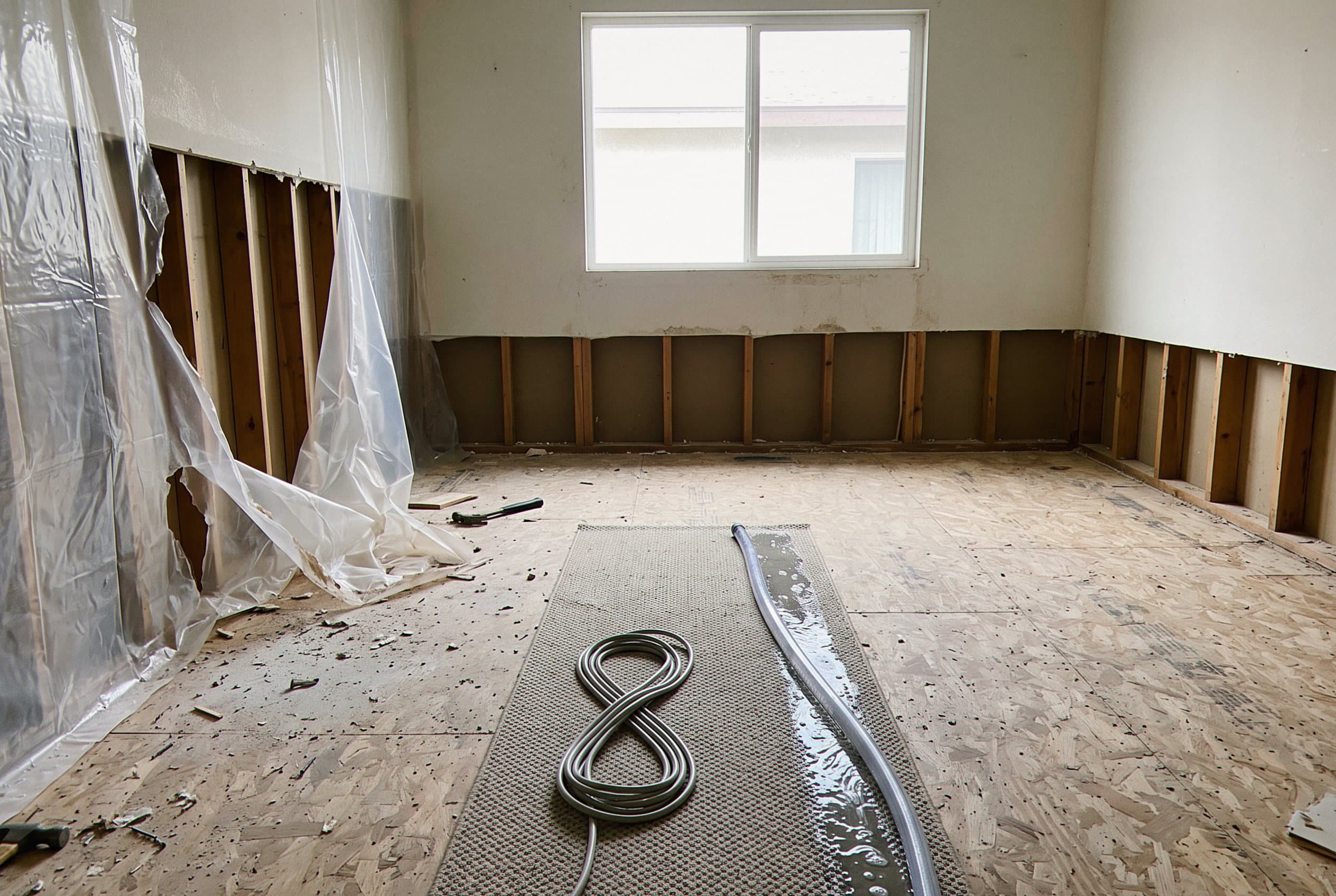
Opened wall cavity removed drywall exposed
Structural framing missing wall sheathing
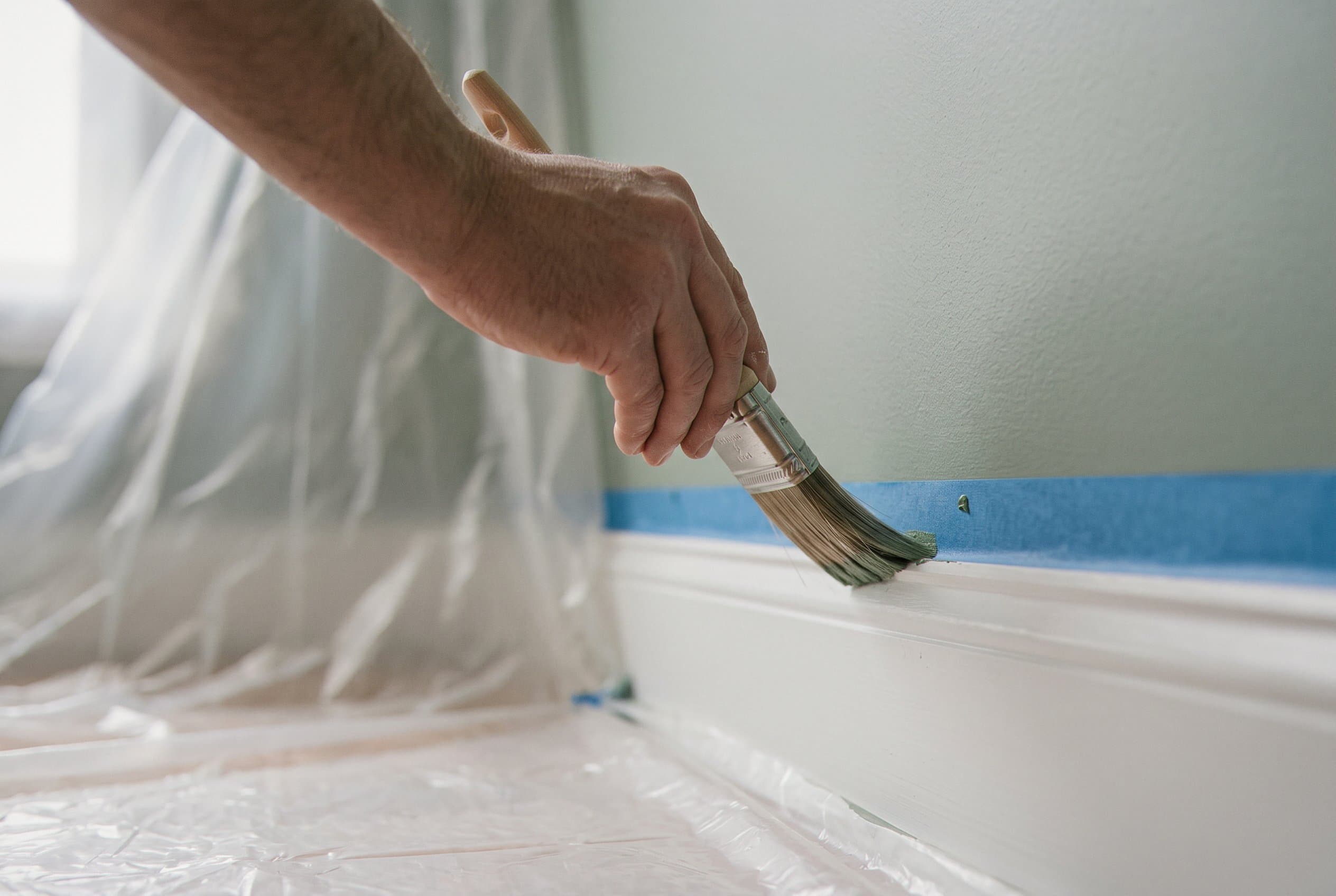
Fresh drywall installation rebuilt wall studs
What we do

Putting Your Garden Grove Home Back Together After the Water

Once the water is gone and the framing reads dry, the rebuild starts. Floods rarely leave a clean slate. Drywall wicks water a foot or more up the wall, so it has to come out even where the face still looks fine, and the insulation behind it holds moisture long after the fans shut off. Trim swells. Door jambs warp, fasteners rust, and rusted fasteners bleed through fresh paint months later if nobody pulls them. Our Garden Grove crew opens the wet areas, hauls out what is ruined, and keeps the debris bagged and off your driveway. Every cavity gets cleaned and left ready for new work. We photograph each room before it closes up, so nothing gets buried behind new paint and forgotten.

This is the stage where a house stops looking like a job site. We hang new board, set the trim back, and match the ceiling texture so the repair does not announce itself the second you walk in. Floors go back from the substrate up. Cabinets and the sink base that came out during drying get reset and leveled, then the outlets, switches, and light fixtures return to where they belong. Paint is blended into the room rather than cut off at the nearest corner. We sweep and haul at the end of every day, because you are living around this work and we would rather not be one more thing to step over. The goal is simple. A room that shows no sign the water was ever there.

  • We pick up where the drying left off. One Garden Grove crew does the rebuild, so you are not chasing four trades.
  • Wet drywall, swollen trim, and soaked batt come out clean before any new material goes back in the wall.
  • Flooring goes down only after the slab tests dry, so planks stay flat and grout does not crack a season later.
  • Seams, ceiling texture, and paint get matched to the rest of the room. Nothing is patched and left to show.
  • We photograph every step. You end up with a clear, dated record to hand your adjuster.
We do not call the job done until the room looks like the water never came through it, and the only sign left is a fresh coat of paint.

Most rebuilds we do around Garden Grove follow a few familiar patterns. A supply line under a kitchen sink lets go overnight and swells the cabinet boxes from the inside out, and by morning the toe kicks are finished. A water heater splits in the garage. It runs across the slab and into the hall before anyone hears a thing. A slab leak can work under the flooring for weeks before someone notices the warm spot underfoot, the musty smell, or a water bill that jumped for no clear reason. A roof that shed rain fine for years finally gives during a hard winter storm. Each one gets its own plan, and you hear ours before the first cut. We tell you what comes out, what we save, and the order we work in. Same crew, start to finish. No surprises halfway through, and no vague answers when you call to check on progress.

If a flood, a burst supply line, or a slow leak left your Garden Grove home torn up, call us. Tell us what you are looking at right now. We will walk the damage with you and lay out the repair in plain words, room by room, before we lift a single tool. Then we get your place back to whole. One local crew handles the whole rebuild, from bare framing to the last coat of paint. And the line is open at any hour, never a phone tree.
Materials

What Goes Back Into the Wall on a Garden Grove Rebuild

Not every board goes back the same way it came out. In a bathroom, a laundry room, or the wall behind a kitchen sink, we set moisture resistant panels instead of plain gypsum, because those rooms will see steam and splashes again long after we drive away. Standard board goes back everywhere else. Where the wall meets the slab we hold the new sheet slightly off the concrete, so the paper face never wicks up the next spill the way the old one did. Framing is a judgment call each time. Sound lumber that dried to a normal reading stays right where it is, warped or split studs get sistered or swapped out, and any bottom plate that sat wet long enough to soften comes out entirely. We clean and treat the exposed wood before anything covers it again.

Flooring gets chosen for what sits underneath it. Nearly every home in Garden Grove is built on a concrete slab, so that slab has to test dry before a single plank or tile goes down, and we meter it rather than eyeball it. Over a slab we lean toward tile, engineered plank rated for a concrete substrate, or a resilient vinyl that shrugs off the next spill without swelling. Carpet always gets a new pad. The old one holds water and odor no matter how many days the fans ran. Insulation in exterior walls comes back as fresh batt, since wet batt loses its loft and never gets it back. Trim, base, and casing are matched to the profile already running through the rest of your house, and paint is the last thing we touch so we can feather it out until the repair stops reading as a patch.

  • Moisture resistant board goes in bathrooms, laundry rooms, and behind kitchen plumbing walls. Plain gypsum in those rooms is just the next teardown waiting for a reason.
  • New drywall is held a fraction of an inch off the slab. That small gap keeps the paper face from drinking up a future spill before you ever see it.
  • Wet batt insulation is replaced, never dried and stuffed back. Once it mats down it stops doing the one job it has, and it hides moisture from the meter.
  • Ceiling and wall texture is matched to what is already on your walls, whether that is orange peel, a knockdown finish, or a smooth coat, then primed and painted to blend.
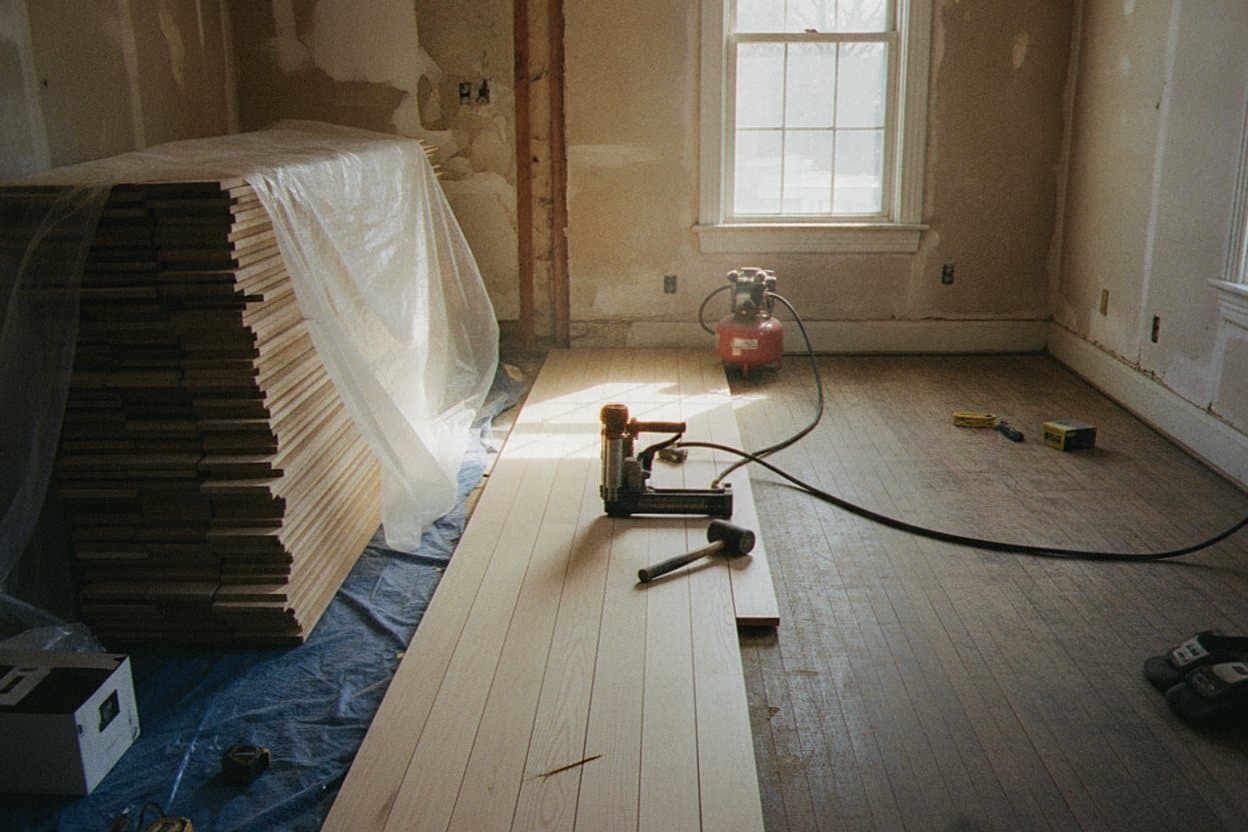
Drywall cutting tool dust extraction system
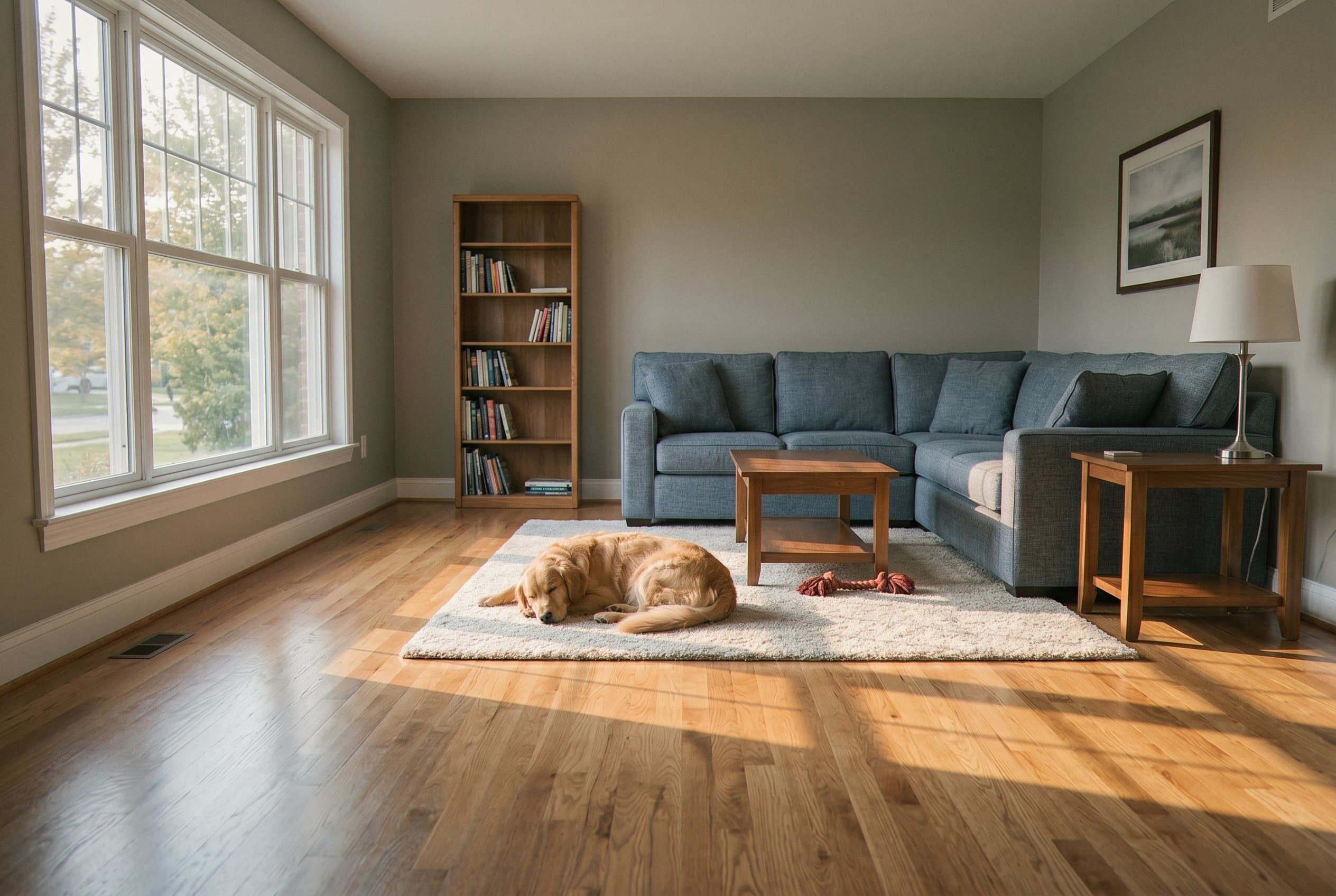
Completed wall finish paint texture
What about the alternatives?

Repair Approaches Compared, and What We Would Actually Do

There is more than one way to put a room back together after water, and the right call depends on how far the water traveled, how long it sat, and what it soaked into. Here is how the common options stack up when we walk a Garden Grove job. We will tell you which one fits your damage, and why.

Remove and rebuild everything the water reached

The straightest path when water sat for more than a day or came from a dirty source. Everything porous comes out, the cavity gets cleaned and verified dry, and new material goes back. It is more demolition on the front end, and it is the version that does not come back to haunt you.

Recommended

Flood cut above the water line, then rebuild from there up

When clean water stayed low and left quickly, we cut the drywall a set height above the highest wet reading and leave the sound board above it alone. Less demolition, less patching, and a seam that lands where trim or a chair rail can hide it. We only take this route when the meter backs it up.

Recommended

Save and refinish solid wood cabinet boxes

Solid stiles and rails often survive a short soak, while particle board sides and toe kicks rarely do. We check each box, dry what is worth drying, and rebuild the rest. Worth trying on a well built kitchen, and worth skipping when the boxes are already delaminating at the corners.

Acceptable

Rebuild in stages as the claim releases funds

Some owners need the work split so it lines up with how the carrier pays out. We can sequence it that way, starting with anything that keeps the home safe and dry and finishing the cosmetic work later. It stretches the timeline, and it beats leaving open walls while you wait.

Acceptable

Prime and paint over stained drywall without opening it

Paint hides a stain for a while. It does nothing for wet insulation, a damp bottom plate, or whatever is growing in the cavity behind that stain. We have opened plenty of freshly painted walls that were still soaking underneath. Skip it.

Skip

Lay new flooring before the slab tests dry

This is the most common rush that we get called back to fix. Moisture trapped under vinyl, laminate, or tile has nowhere to go, so it pushes up through the adhesive and lifts the floor. Wait for the readings. The wait is always shorter than doing it twice.

Skip
How it goes

From quote to walk-on, fast.

01

Your inquiry

Call or send the short form with what is going on at your place. A sentence or two is plenty for the first step.

02

We talk it through

We go over the situation on the phone, ask the questions that matter, and tell you what we would do next.

03

A clear plan

You get a plain-language rundown of the work, the order it happens in, and what to expect on the day.

04

The work gets done

Our crew shows up when we said, does the job, and walks you through the result before leaving.

Before you book

Straight Answers Before You Hand Anyone a Key

Owners ask us the same handful of questions once the drying gear rolls out and the rebuild talk starts. Here are our honest answers, including the ones that are less fun to give.

Can you save my hardwood, or does all of it have to go?
Sometimes. Solid wood that cupped but never came apart can often be dried in place and sanded flat, once the subfloor and the slab below it read dry. That takes patience more than anything else. Engineered plank is less forgiving, because the layers pull apart and no amount of drying puts them back. We meter the floor first. Then we tell you straight which side of that line yours falls on.
Do I need a permit for work like this?
It depends on the scope. Swapping drywall, batt, trim, and flooring in kind usually does not need one. New framing, new circuits, or moved plumbing usually does. We look at what your job really calls for, tell you which parts need a permit from the city, and file the paperwork so you are not stuck on hold with a clerk in the middle of your work day.
Will the repair match the rest of my house?
That is most of the craft at this stage. We match the wall and ceiling texture already on your walls. We match trim profiles instead of settling for what the store stocks today, and we feather paint out to a natural break so there is no ring around the patch. On an older home with a profile nobody makes anymore, we say so up front and show you the closest match before we order.
How long will my family be out of the room?
It depends on how much came out. One wall and a strip of flooring is a short run of days. A kitchen that lost cabinets and a whole floor takes longer, because cabinets and flooring take weeks to arrive and that part is out of our hands. What we do give you is a written order of work at the start, plus a heads up the moment a date moves.
Do you handle the insurance side of it?
We write the loss up the way adjusters ask for it, with dated photos, daily moisture logs, and a scope of what came out and what went back. We talk to your adjuster directly, so you are not relaying questions you never signed up to answer. What your policy covers is between you and your carrier. We will not pretend otherwise.
What happens if you open a wall and find mold?
We stop and tell you before we do anything else. Mold turns this into a sealed off job. That means we close the area off, run the air the right way, and take out the wet material under the rules the IICRC sets for that work. The EPA puts out plain homeowner guidance on it as well. We will walk you through what applies to your home before any money moves.
Aftercare

Keeping the Rebuild Dry Once We Are Gone

A finished room is not the end of the story. Most of the water losses we see in Garden Grove start somewhere small and quiet, and they run for hours or weeks before anyone notices. Rubber supply hoses harden and split. Angle stops seize up right when you need them to turn. Condensate lines plug in the middle of a hot stretch and back up into a ceiling. None of that is dramatic, and all of it is cheaper to catch early than to rebuild around. Here is the short list we leave with every owner when we close out a job.

  • Walk your water heater in the garage twice a year. Look for rust at the seam, a damp spot on the slab, and make sure the pan actually drains somewhere useful.
  • Swap rubber washing machine hoses for braided stainless lines, and take a look behind the machine while you are there, since that is where a slow drip hides longest.
  • Turn every angle stop under your sinks and toilets once a year so they do not seize. A valve that will not turn is useless the night you need it.
  • Have the air conditioning condensate line cleared before the hot months. A plugged line is one of the quietest ways a ceiling gets soaked in Orange County.
  • Before the winter rains arrive, clear the gutters, check flashing around vents and skylights, and watch how water runs off your roof during the first real storm of the season.
  • Learn where your main shutoff is and label it, then show everyone in the house. The minutes between a burst line and a closed valve decide how big the repair gets.
Opened wall cavity removed drywall exposed
FAQ

Water Damage Repair Questions From Garden Grove Owners

How fast can you get to my Garden Grove home?
Someone picks up at any hour, including nights and weekends, because water does not wait for business hours. We will not quote you a minute figure that traffic on the 22 can break. What we do instead is tell you when a crew is actually leaving, and walk you through shutting the water off while you wait.
What should I do before the crew gets there?
Shut the water off at the main if you can reach it safely. Stay out of standing water anywhere near outlets or the panel, and if you cannot get to the breaker without walking through it, leave it and wait for us. Then photograph everything while it is still wet, because your adjuster will want to see the damage before furniture starts moving.
Do you work with my insurance company?
We document the loss the way adjusters ask for it: moisture readings logged by day, photographs of every wet surface, and a written scope of what came out and what got dried. We talk to your adjuster directly so you are not stuck relaying technical questions. What your policy actually covers is between you and your carrier, and we will not pretend otherwise.
How long does drying take?
Most jobs run three to five days on equipment. The number that matters is not the calendar, it is the moisture reading in the wood, the drywall and the slab. We take those readings every day and pull the equipment when the structure hits the dry standard set by the IICRC, whose drying rules we work to, rather than when the floor stops feeling damp.
Will mold grow after this?
Mold can start colonizing in about 24 to 48 hours once material stays wet, which is the whole reason we push to get equipment running the same day. Dry it fast and completely and you usually avoid the problem entirely. Leave it two weeks under a rug and you are looking at a second, larger job.
Ready when you are

Let's make your next steps easier

Tell us what is going on at your Garden Grove home and we will walk you through the options. One call or one short form is all it takes.

Call (714) 462-8575Make your inquiry
CallContact us